 ⭐ 1. Introduction: QSR Operations Are Built on Speed
Fast-food and fast-casual restaurants (QSR) are among the most demanding environments in the hospitality industry.
Why?
Because every minute of delay = lost revenue.
QSR operators face:
Restaurants like McDonald’s, KFC, Subway, Shake Shack, Five Guys, Jollibee — and thousands of independent fast-casual restaurants — all share the same struggle:
👉 Fixed, heavy tables slow the entire operation down.
This is why more QSR brands are adopting commercial-grade folding tables as part of a strategic move to increase speed, flexibility, and operational efficiency.
QSR restaurants live and die by turnover speed.
During peak hours:
Many restaurants take 5–8 minutes to clear a table + clean floor + reset.
This directly limits revenue.
With foldable tables:
Result:
Fast-casual restaurants report that folding tables help them serve more customers with the same staff.
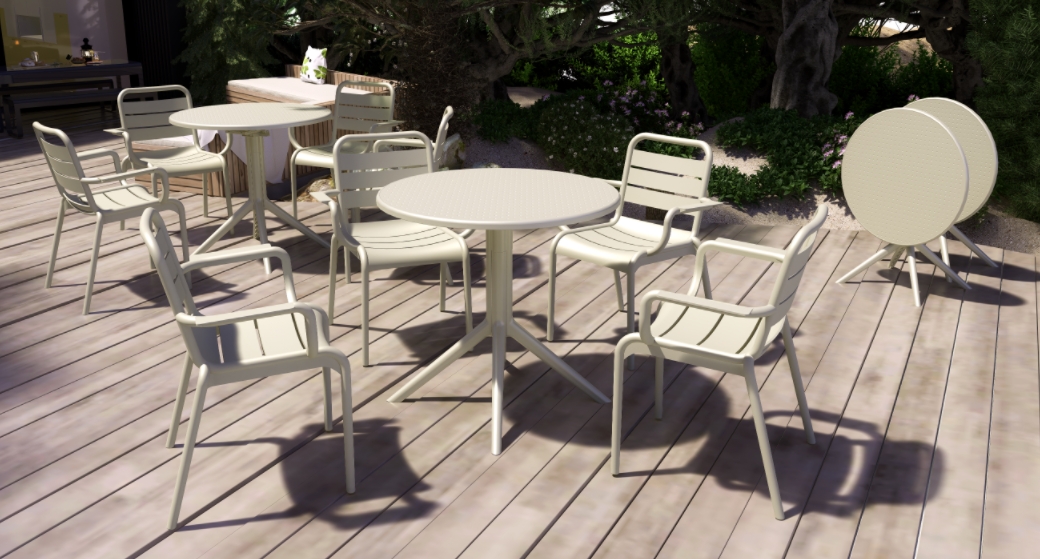
QSR floors get dirty faster than any other type of restaurant:
With fixed tables:
Staff fold the table → clean the area → unfold the table.
This means:
For restaurants that mop 10–20 times per day, this is a significant operational improvement.
QSR tabletop surfaces endure extremely heavy use:
Wood and metal surfaces:
Your folding tables use matte PP + fiberglass, which is:
One wipe removes:
This keeps the restaurant looking cleaner and more professional.
QSRs are facing a global labor shortage + increasing wages.
Managers report:
Heavy or inflexible tables increase workload and slow operations.
Lightweight folding tables allow:
This improves both operational efficiency and employee satisfaction.
QSR restaurants serve:
But fixed tables make it hard to adapt seating.
Managers can quickly:
The layout becomes fully dynamic, not fixed.
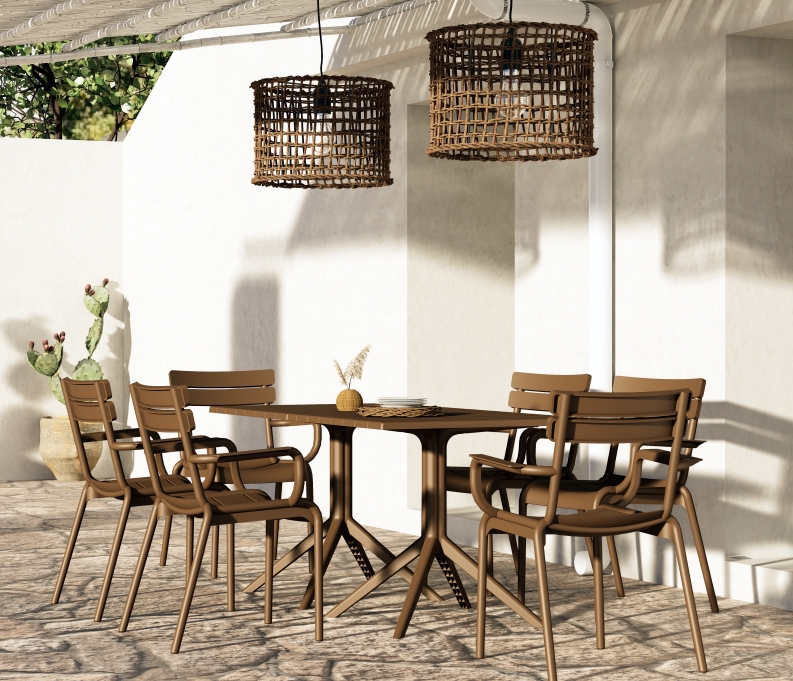
Outdoor seating often generates 20–40% extra revenue.
But outdoor furniture has big problems:
Your tables provide:
This allows QSR brands to expand outdoor seating confidently—without constant furniture replacement.
Directly increases revenue.
Essential for both hygiene and speed.
Solo → group → family → large group.
Especially during staff shortages.
Cleaner tables, cleaner floors, faster service.
PP + fiberglass = more durable than HDPE or wood.
Lightweight = fewer injuries.
Matte finish = premium look, even in fast-casual environments.
Different table sizes serve different operational needs.
Best for:
Best general-purpose size:
Best for:
QSR operators face constant pressure:
Commercial folding tables solve these challenges through:
This is why thousands of fast-food and casual dining restaurants are transitioning from fixed tables to flexible folding solutions.
Folding tables are no longer temporary furniture.
They are a strategic operational upgrade that improves speed, cleanliness, customer flow, and profitability.

Fill out the contact form with your ideas today and find the right furniture sets for your room applications.

MAKA offers high-performance and personalized furniture for any room and condition at affordable prices. Order now at an MOQ of 100.