In 2026 cost-reduction programs, leading importers no longer evaluate packaging solely based on material cost or damage prevention. Instead, packaging is assessed as a core determinant of Total Landed Cost (TLC) and supply chain efficiency.
The standard evaluation criteria include:
Disqualifying practices include:
Procurement Objective:
To determine whether packaging is engineered as a repeatable, structural cost-reduction tool, rather than a short-term tactical adjustment.
To ensure objective comparison, packaging solutions are evaluated using the same performance indicators and cost assumptions.
Two parallel packaging systems are assessed:
Core Methodological Principle:
Packaging decisions are made based on unit volume efficiency and freight allocation, not on packaging material cost alone.
Key metrics applied:
Product: Commercial plastic chair (same structure, dimensions, and material)
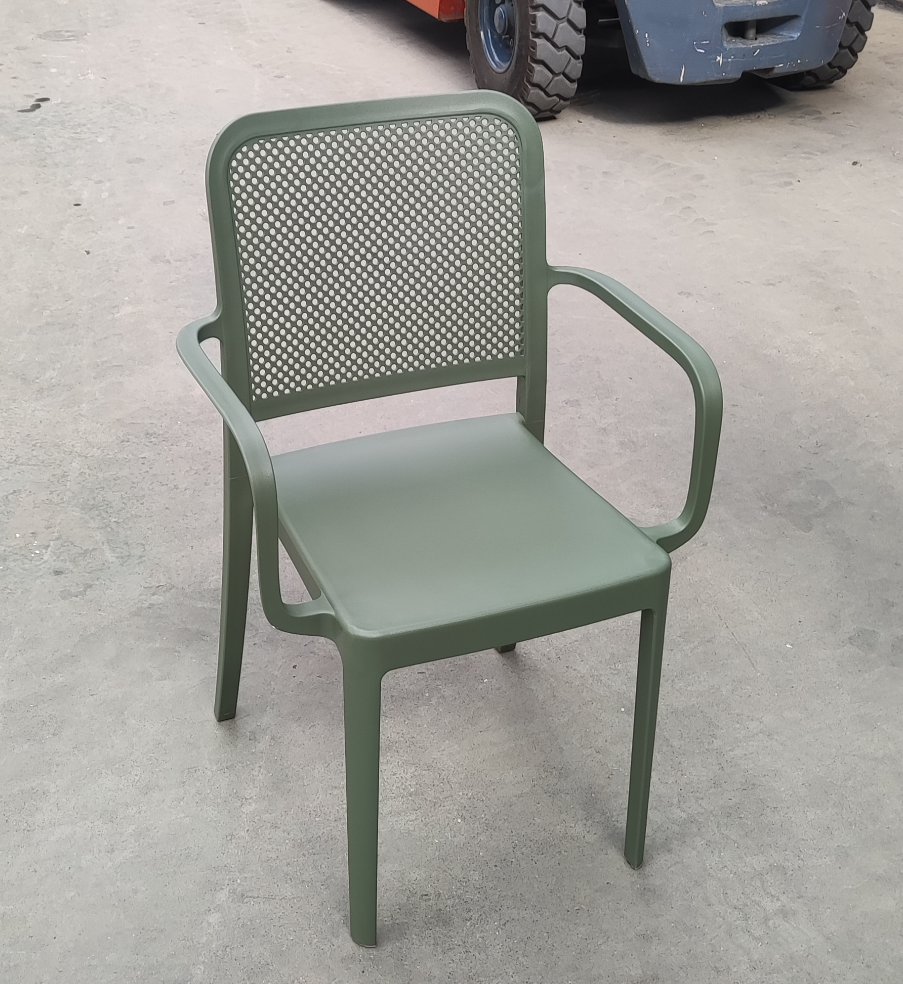
Container Type: 40HQ
Shipping Conditions: Identical freight rate per container
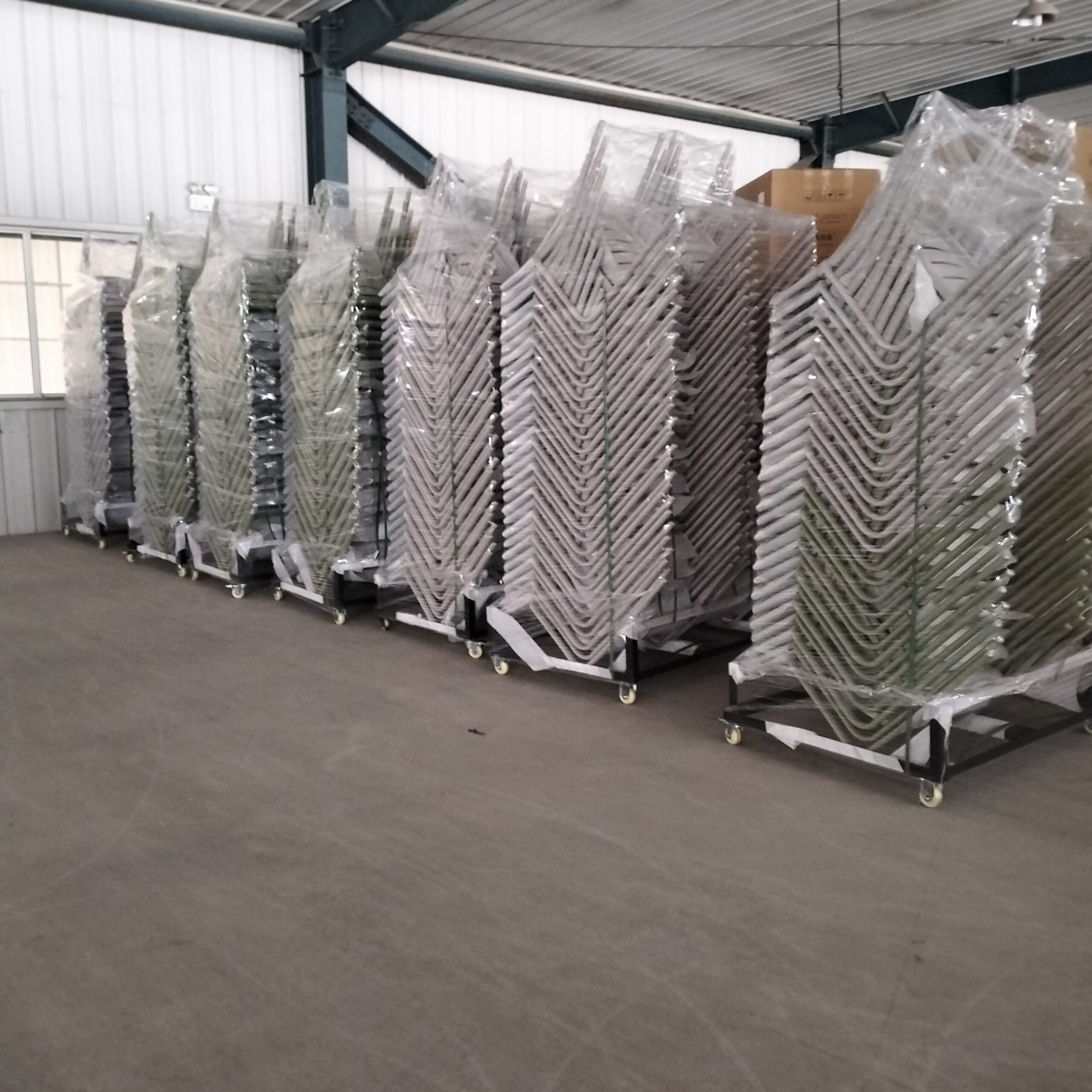
The trolley system increases container utilization by reducing carton voids and stacking limitations while maintaining product stability during transport.

Result:
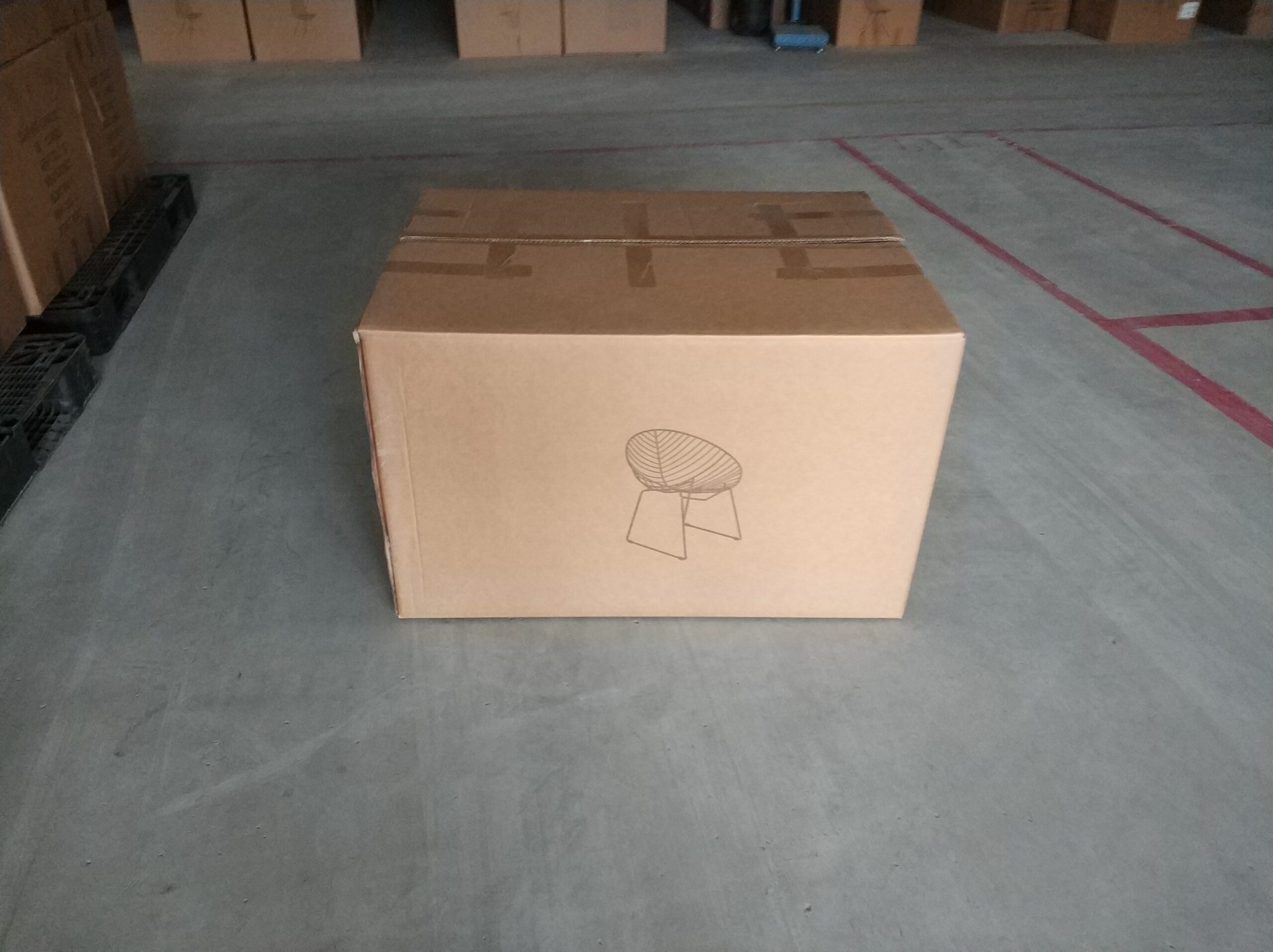
Trolley-based loading improves container utilization by 28.6%, equivalent to 320 additional chairs per 40HQ container.
(Assuming constant freight cost per container)

Result:
The unit freight cost per chair is reduced by approximately 22.2%, without any reduction in product specifications or factory pricing.
| Metric | Carton Packaging | Trolley Loading | Change |
|---|---|---|---|
| Pieces per 40HQ | 1,120 | 1,440 | +28.6% |
| Unit Freight Cost (Index) | 1.00 | 0.78 | −22.2% |
| Additional Units per Container | — | +320 pcs | — |
All trolley-based shipments are secured using defined fixing points and protective buffers at critical stress areas (seat edges, backrest, leg contact zones). Damage rate monitoring is conducted on consecutive shipments.
Trolley systems are evaluated for compatibility with destination warehouse workflows, including unloading, temporary storage, and internal movement. Where required, hybrid models (trolley unloading + palletization) are applied.
Trolley cost is evaluated separately using a depreciation or reuse model. Procurement acceptance requires that:
The per-shipment amortized trolley cost remains significantly lower than the freight cost savings generated.
This case demonstrates that packaging optimization can deliver double-digit cost savings at the logistics level without altering product design, materials, or factory pricing.
For the evaluated chair model:
Such improvements represent structural, repeatable cost reductions, aligning with 2026 procurement priorities focused on cost control, risk mitigation, and long-term supply chain stability.
Fill out the contact form with your ideas today and find the right furniture sets for your room applications.

MAKA offers high-performance and personalized furniture for any room and condition at affordable prices. Order now at an MOQ of 100.