In global furniture sourcing, many products appear almost identical.
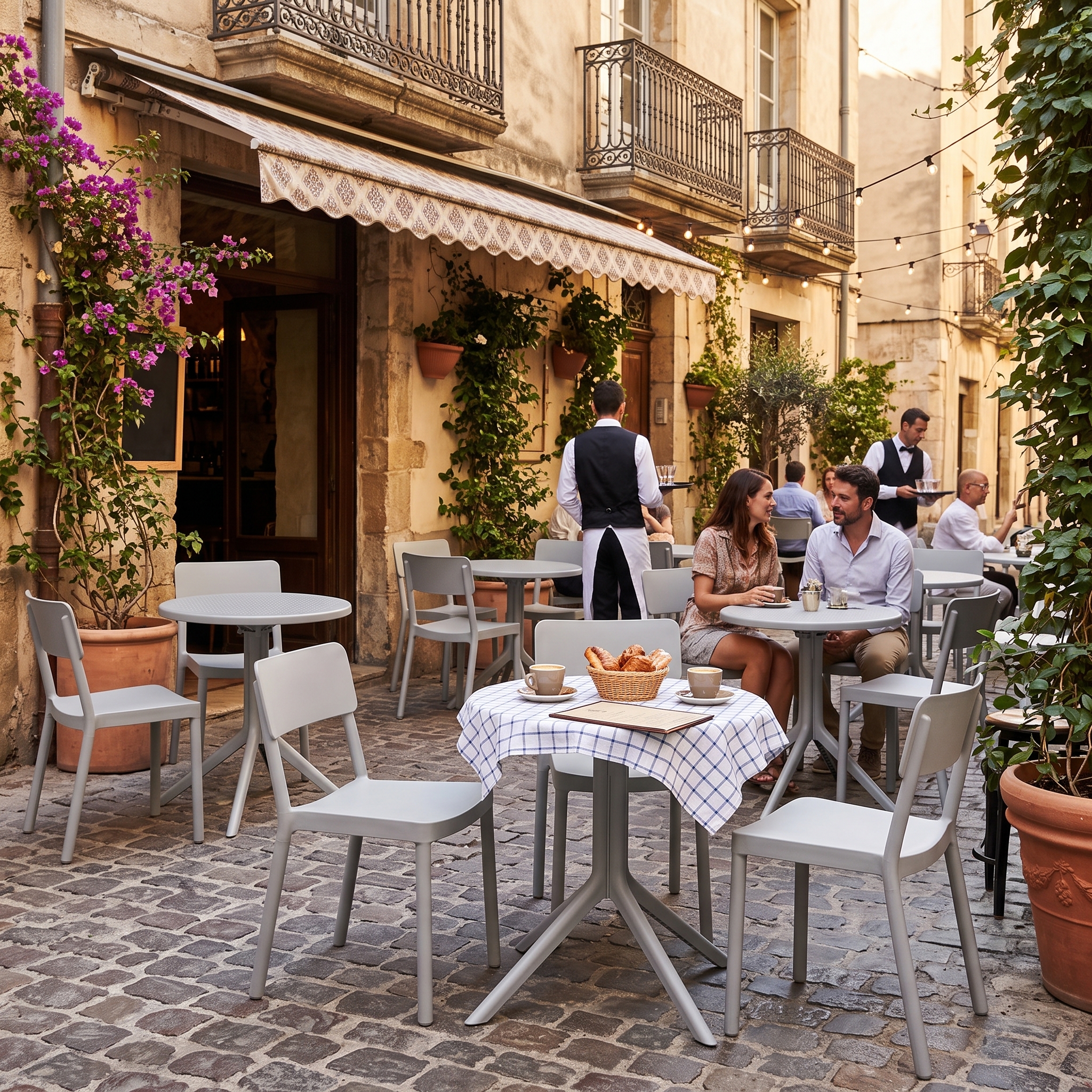
A chair designed for home patios may look the same as one used in cafés.
An outdoor table sold for residential gardens may visually match restaurant furniture.
Because of this similarity, one of the most common — and expensive — sourcing mistakes occurs:
Residential furniture is purchased for commercial environments.
The consequences usually appear months after installation.
Buyers often evaluate furniture based on visible factors:
At the purchasing stage, residential and commercial furniture may seem interchangeable.
However, what cannot be seen immediately is the design intention behind the product.
Furniture is engineered according to expected usage conditions.
And residential usage is fundamentally different from commercial operation.
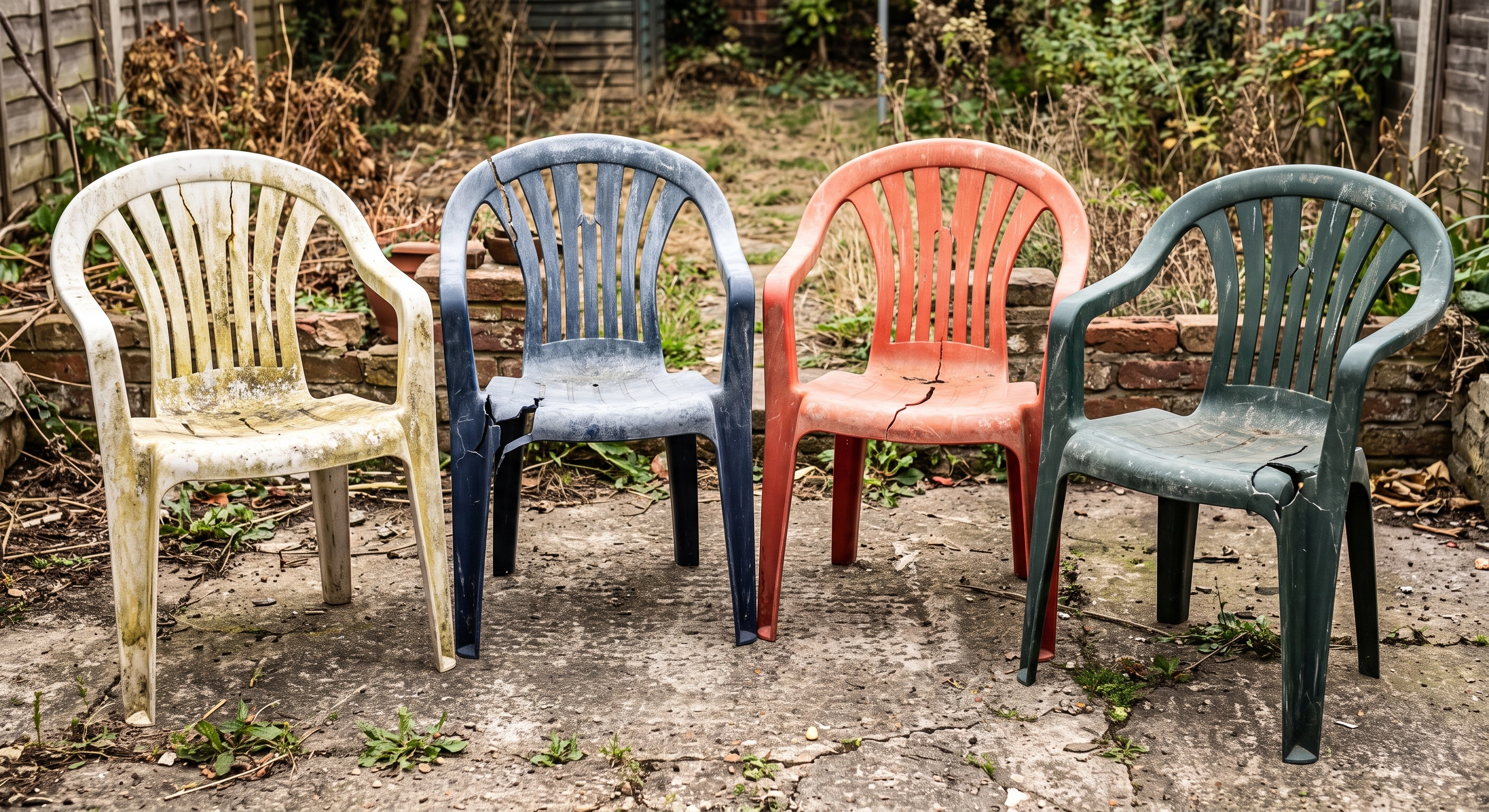
Residential outdoor furniture assumes relatively light operating conditions.
Typical residential usage includes:
A chair at home may be used only a few times per day.
Under these assumptions, structures, materials, and reinforcement requirements are lower.
This allows products to remain affordable and lightweight.
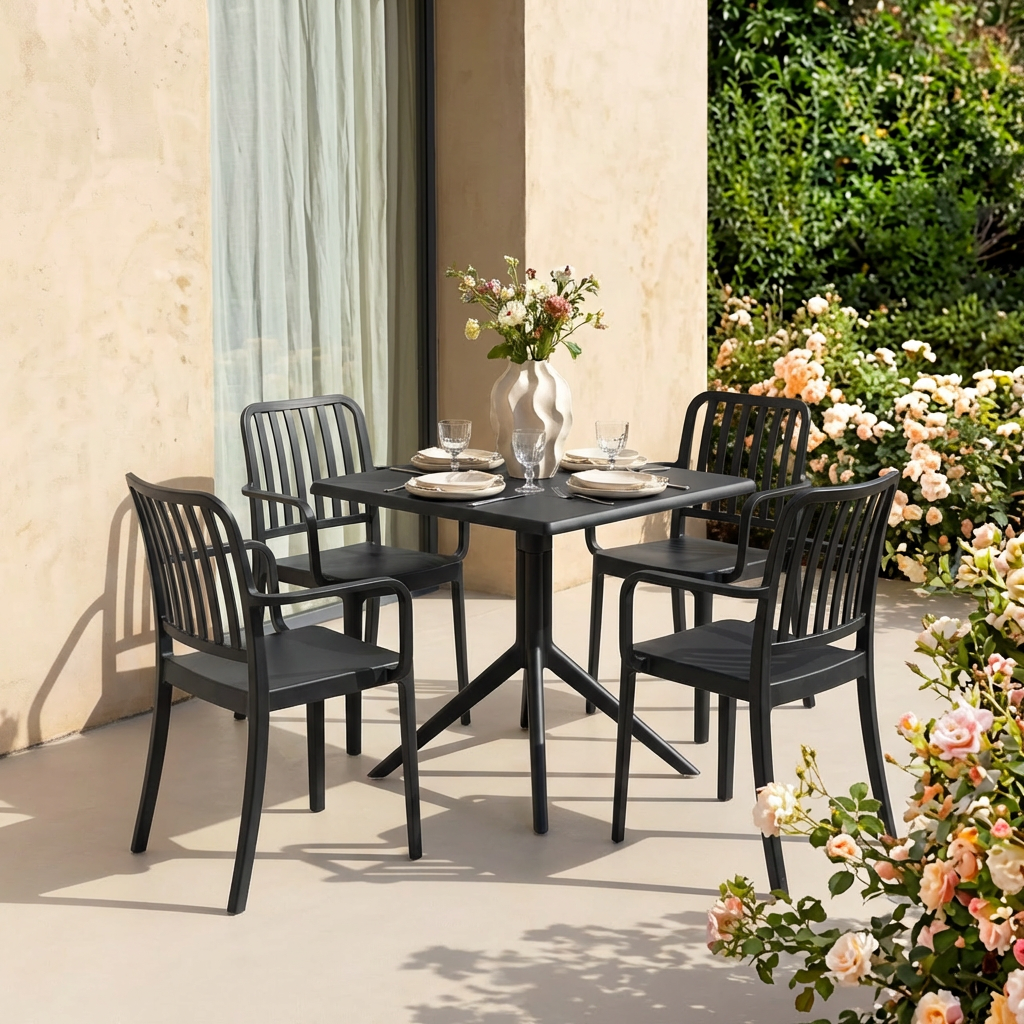
Commercial environments create completely different demands.
Furniture used in cafés, restaurants, hotels, and public spaces experiences:
In one year, commercial furniture may experience stress equivalent to several years of residential use.
Without commercial-grade engineering, early failure becomes inevitable.
The sourcing mistake rarely becomes visible immediately.
Instead, problems develop gradually:
For distributors and project buyers, the impact extends beyond product replacement.
It leads to:
Often, the initial price advantage disappears quickly.
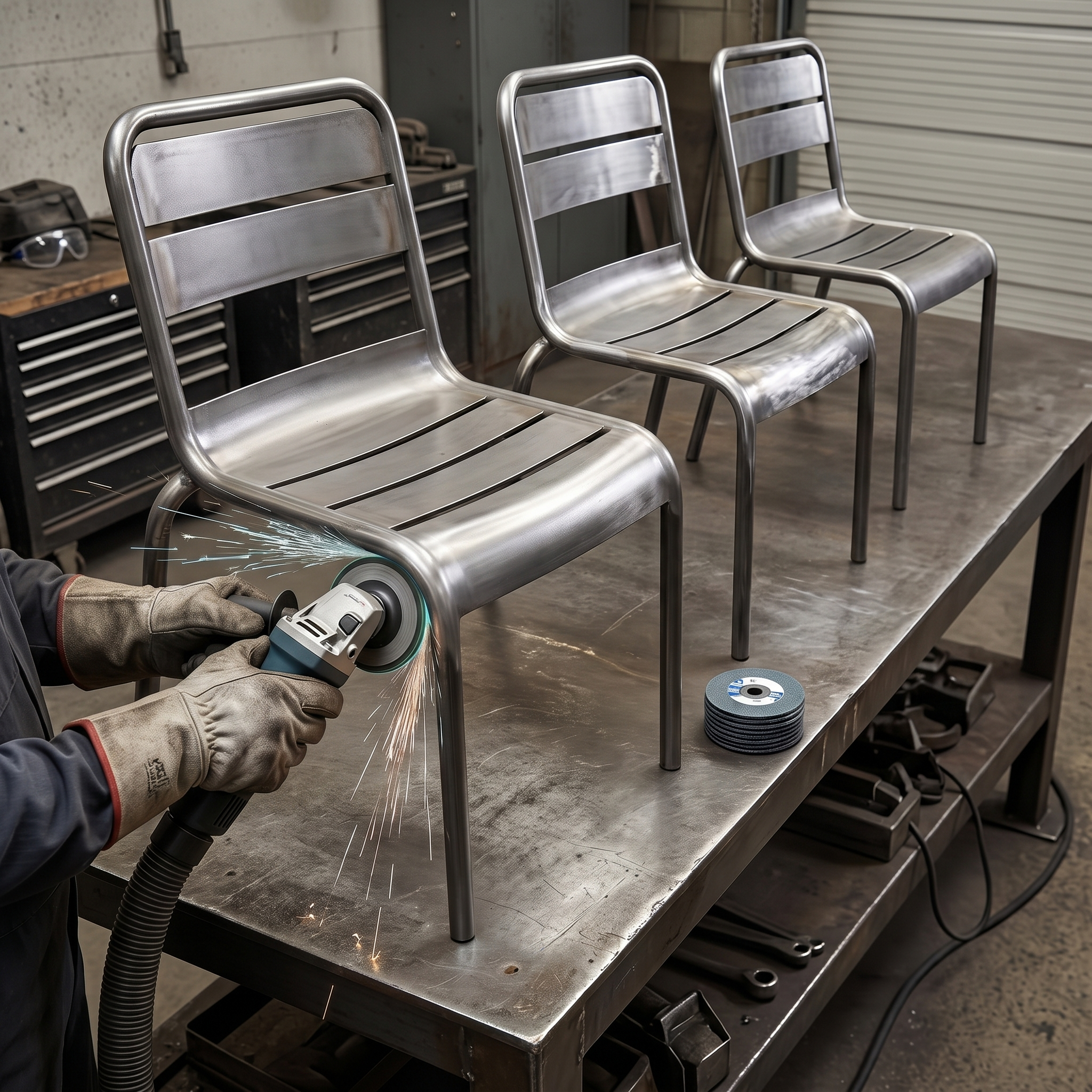
Modern manufacturing allows residential furniture to visually imitate commercial products.
Two chairs may look nearly identical but differ significantly in:
The difference becomes visible only after prolonged real-world use.
This is why experienced buyers increasingly evaluate engineering intent, not appearance.
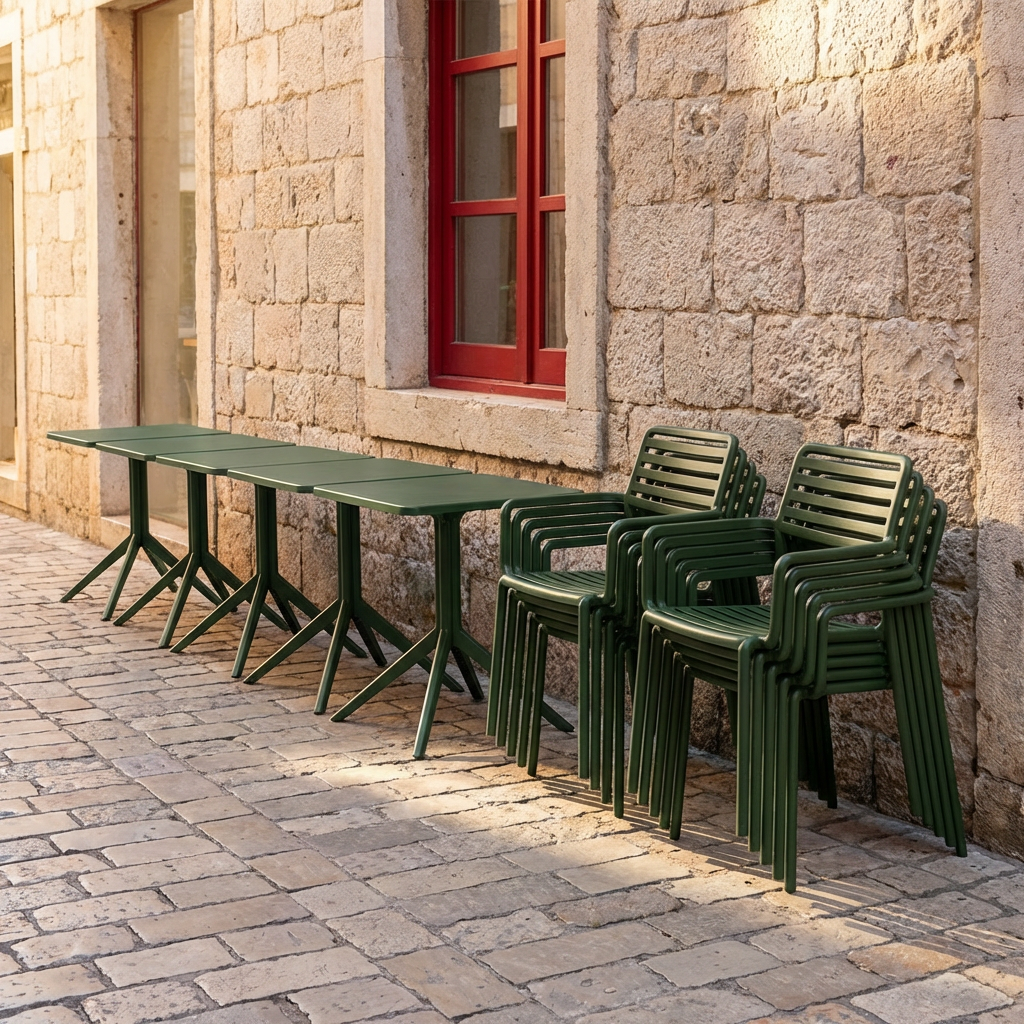
Leading distributors and hospitality suppliers now ask deeper sourcing questions:
| Evaluation Question | Purpose |
|---|---|
| Is the product designed for commercial cycles? | Prevent early failure |
| Has fatigue performance been considered? | Extend lifespan |
| Can it withstand full outdoor exposure? | Reduce complaints |
| Is structure optimized for repeated use? | Protect reputation |
Commercial sourcing today focuses on lifecycle reliability rather than short-term comparison.
Across global markets, outdoor dining expansion and higher usage intensity are accelerating the transition toward commercial-grade furniture.
Buyers increasingly recognize that:
Furniture suitable for homes is not automatically suitable for business environments.
Selecting products based only on price or appearance often transfers operational risk to the distributor.
At MAKA Furniture, product development begins with commercial usage scenarios.
Design considerations include:
✅ high-frequency usage environments
✅ UV and heat exposure conditions
✅ fatigue-life structural performance
✅ stability over long operational cycles
Because commercial furniture must deliver predictable performance long after installation.
Residential furniture rarely fails immediately in commercial projects.
It fails gradually — after the sourcing decision has already been made.
When evaluating furniture suppliers, professional buyers increasingly ask one critical question:
Was this product designed for how it will actually be used?
In commercial environments, durability is not an upgrade.
It is a requirement.
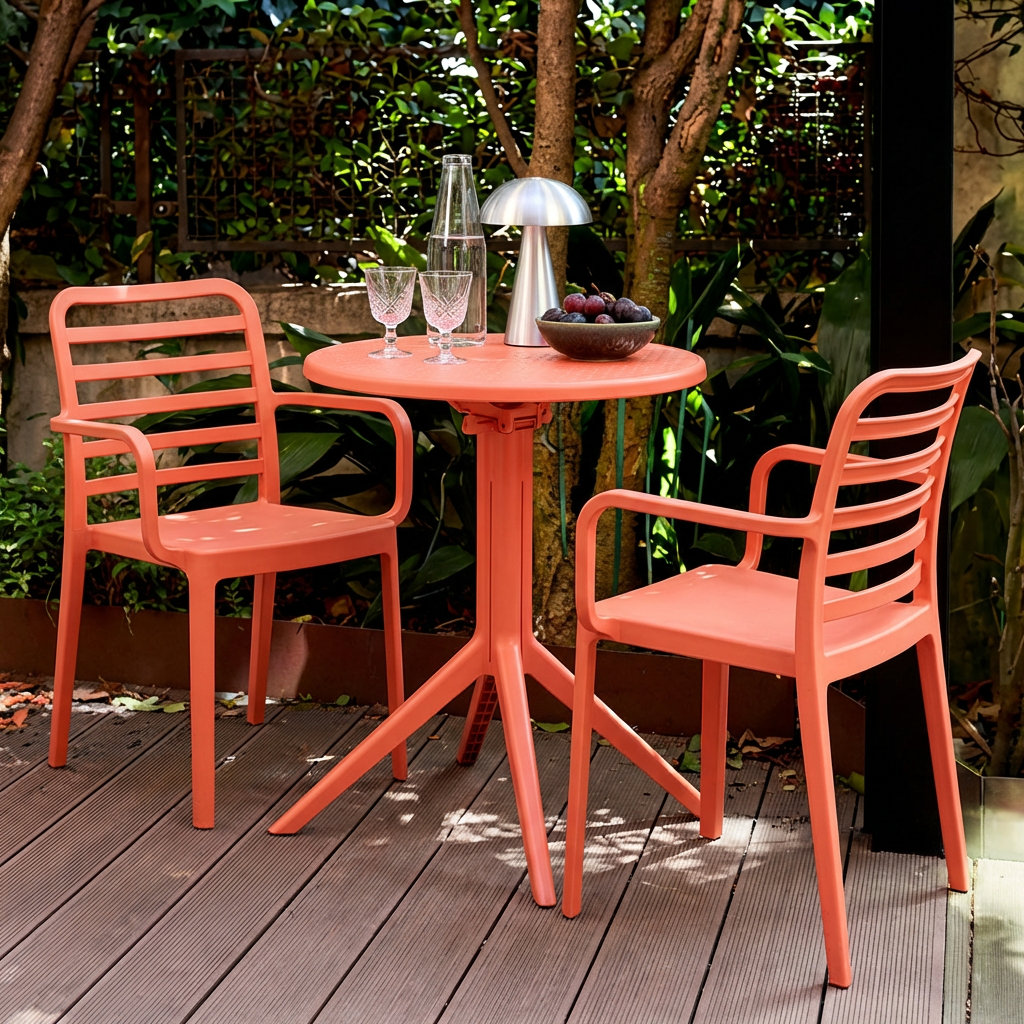
Fill out the contact form with your ideas today and find the right furniture sets for your room applications.

MAKA offers high-performance and personalized furniture for any room and condition at affordable prices. Order now at an MOQ of 100.