Across Europe, Australia, the Middle East, and North America, a growing number of distributors and hospitality suppliers are reporting the same trend:
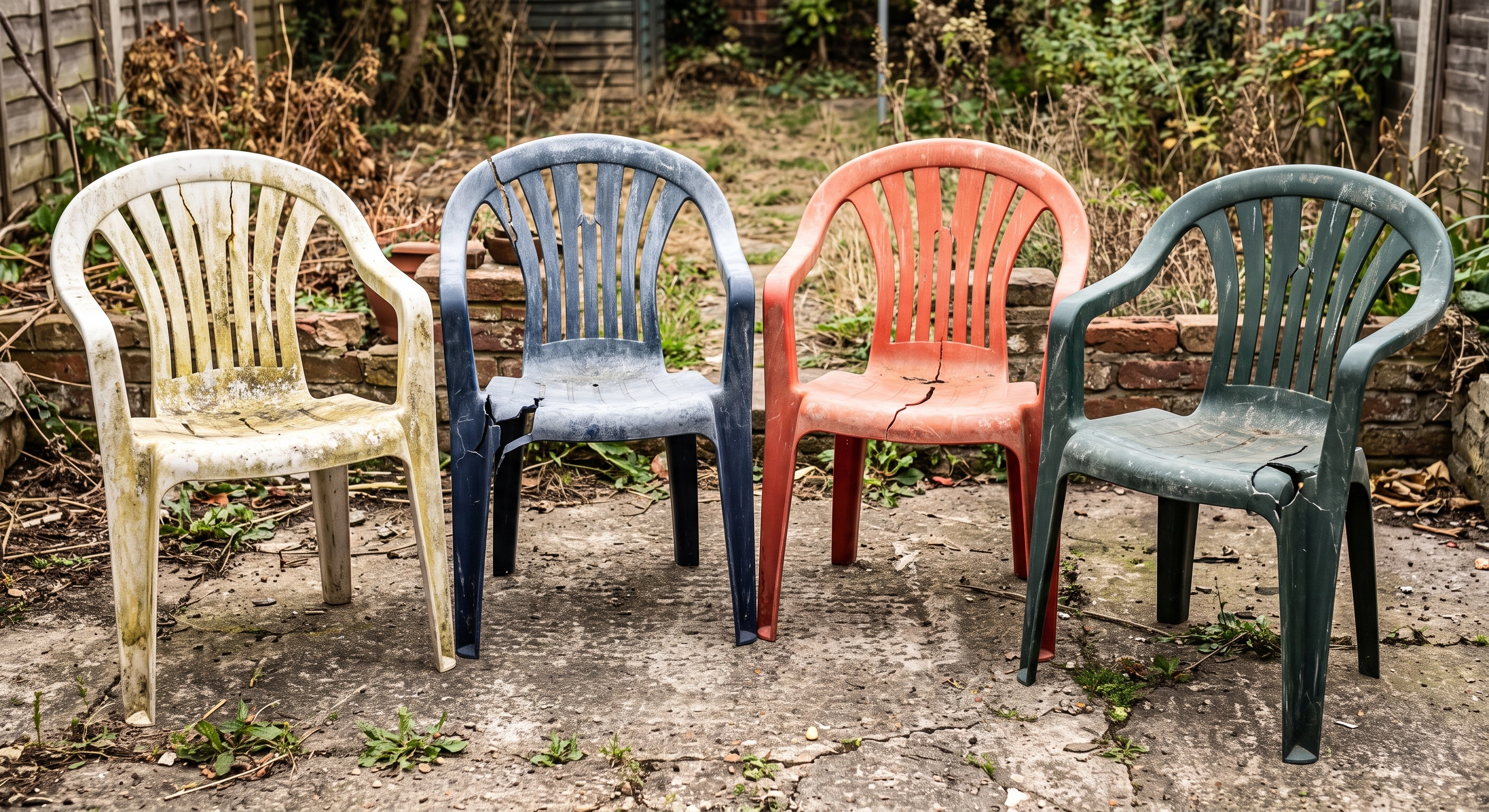
Commercial furniture complaint rates are increasing.
Restaurants request replacements sooner.
Projects experience unexpected product failures.
Warranty discussions occur more frequently than before.
For many buyers, this raises an important question:
Has furniture quality declined globally — or has the operating environment changed?
The reality is more complex.
Complaint rates are rising due to several structural changes happening across the commercial furniture industry.
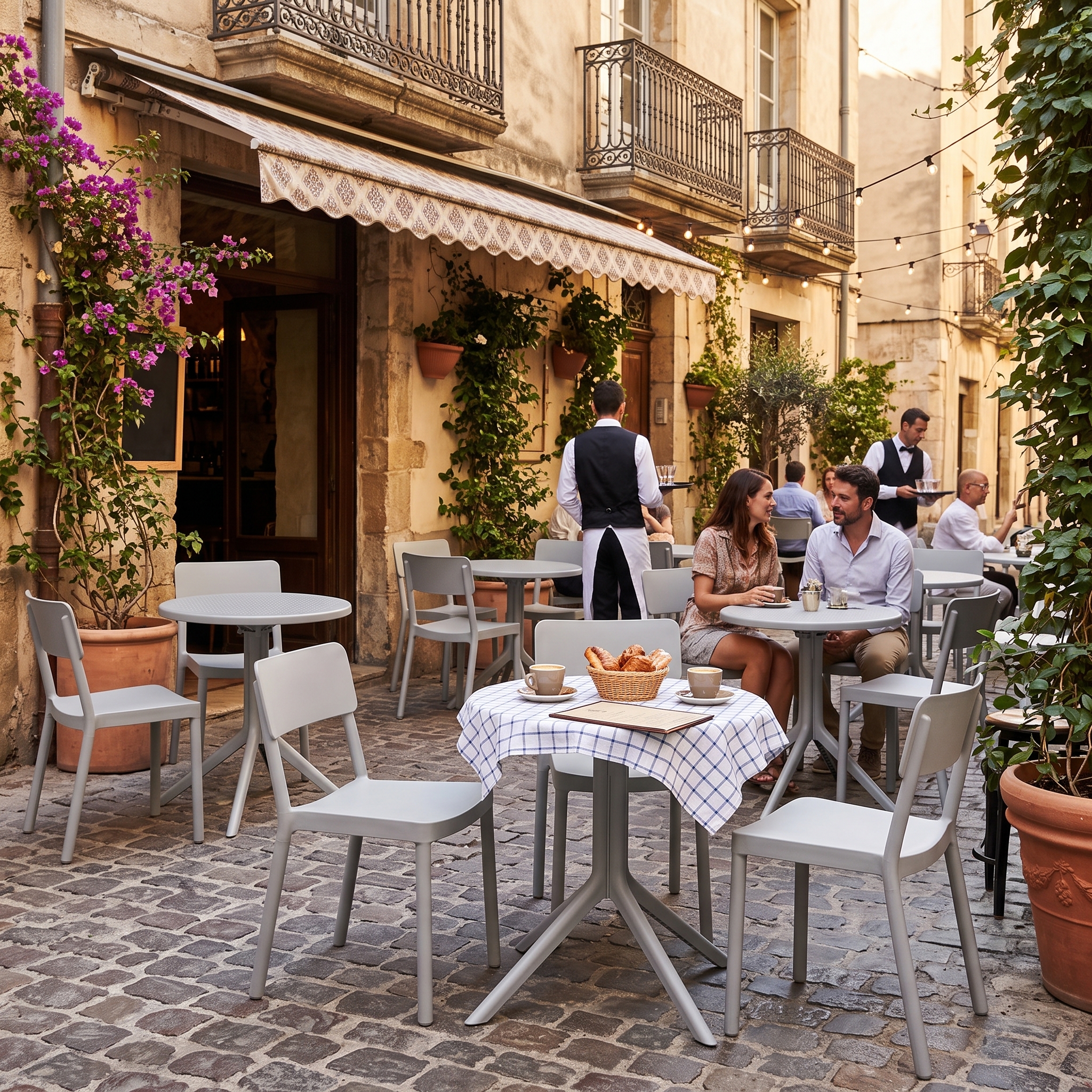
Hospitality spaces today operate differently compared to ten years ago.
Modern cafés, restaurants, and public venues now feature:
A chair or table that once handled moderate use is now exposed to continuous operational stress.
In many locations, furniture experiences 2–3 times more usage cycles than before.
Products designed under older assumptions struggle to keep up.
One major global trend is the expansion of outdoor dining.
Cities increasingly encourage outdoor commercial spaces, especially after recent changes in hospitality operations worldwide.
As a result, furniture is now exposed to:
Many products originally developed for semi-outdoor or indoor use are now operating in full outdoor conditions.
This mismatch significantly increases failure rates.
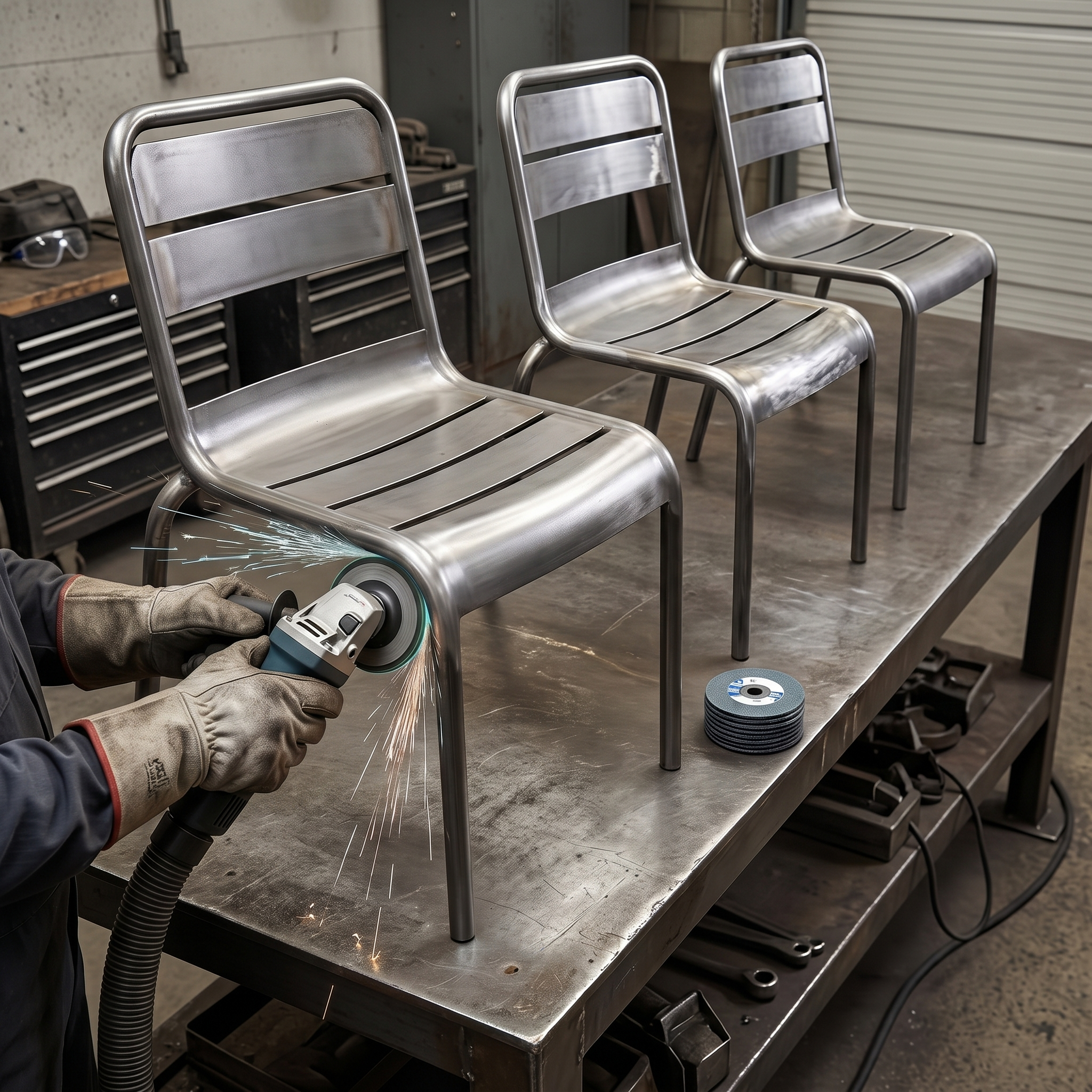
Global sourcing competition has pushed many suppliers toward aggressive price optimization.
Common industry adjustments include:
While these changes may not immediately affect appearance, they often reduce long-term durability under commercial stress.
The result appears months later — as complaints.
Another overlooked issue is the gap between certification testing and real-world performance.
Many products pass:
However, real commercial environments involve combined stress factors:
When testing does not reflect operational reality, complaint rates naturally increase.
Today’s distribution and project timelines are faster than ever.
Buyers often need to:
This leaves less time for long-term product validation before large-scale deployment.
Problems that previously appeared during testing now appear directly in the market.
Another important shift comes from customers themselves.
Hospitality operators and consumers now expect:
Social media and online reviews amplify even minor product issues.
A small structural problem can quickly become a reputation issue for distributors and brands.
Increasing complaint rates are not random.
They signal a transition in how commercial furniture should be evaluated.
Leading distributors are now shifting focus toward:
| Traditional Focus | Emerging Priority |
|---|---|
| Purchase price | Lifecycle reliability |
| Certification | Real-use durability |
| Appearance | Structural engineering |
| Short-term margin | Complaint risk control |
Furniture sourcing is increasingly becoming a risk management decision.
To reduce complaint rates in modern commercial environments, furniture development must consider:
✅ long-term UV exposure
✅ fatigue-life engineering
✅ heat resistance performance
✅ consistent production quality
✅ realistic aging simulations
Commercial furniture today must be designed for operational reality, not showroom conditions.
Rising complaint rates do not necessarily mean buyers are choosing poorly.
They reflect an industry undergoing rapid change.
Commercial environments are harsher.
Expectations are higher.
Margins are tighter.
In this new landscape, the most successful distributors partner with manufacturers focused on predictable long-term performance.
Because in commercial furniture:
Reducing complaints is ultimately about controlling risk.
Fill out the contact form with your ideas today and find the right furniture sets for your room applications.

MAKA offers high-performance and personalized furniture for any room and condition at affordable prices. Order now at an MOQ of 100.