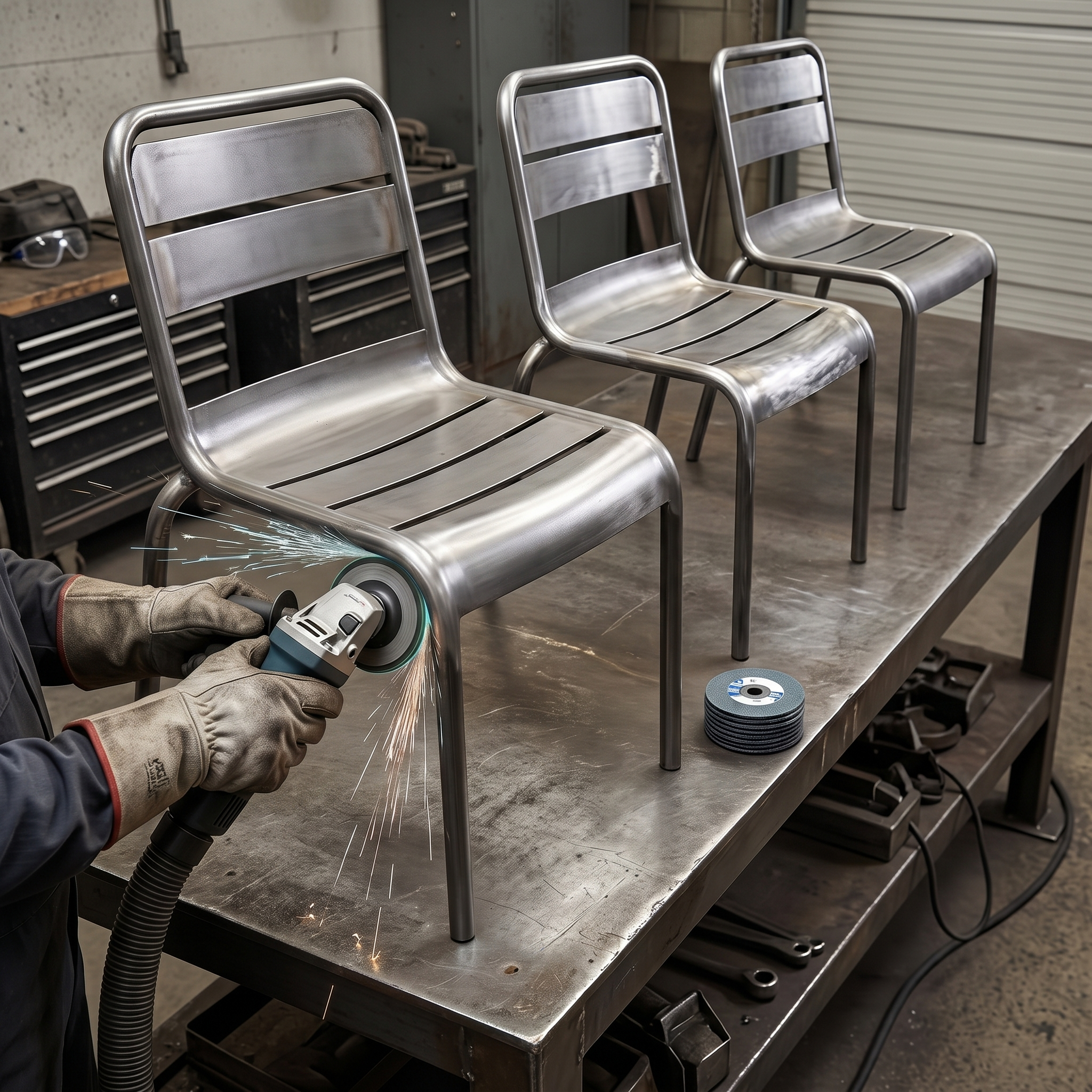
In global furniture sourcing, price is often the first comparison point.
Every distributor, importer, or project buyer has faced the same pressure:
At first glance, lower-priced commercial furniture appears to offer a clear advantage.
But experienced buyers eventually discover an uncomfortable reality:
The cheapest furniture rarely delivers the lowest cost.
Because the real cost of commercial furniture appears after installation, not before shipment.
Commercial furniture operates differently from consumer products.
Once furniture enters cafés, restaurants, hotels, or public spaces, it becomes part of daily operations.
The true cost includes:
A small saving during purchasing can multiply into significant operational expenses later.
This is known among experienced importers as:
Lifecycle Cost vs Purchase Cost.
Low-cost furniture is often optimized for:
Under commercial usage, this frequently leads to:
Replacing furniture earlier than planned creates unexpected expenses:
✔ new purchasing orders
✔ additional freight costs
✔ labor replacement time
✔ operational disruption
In many hospitality projects, replacement cost exceeds initial savings within the first year.
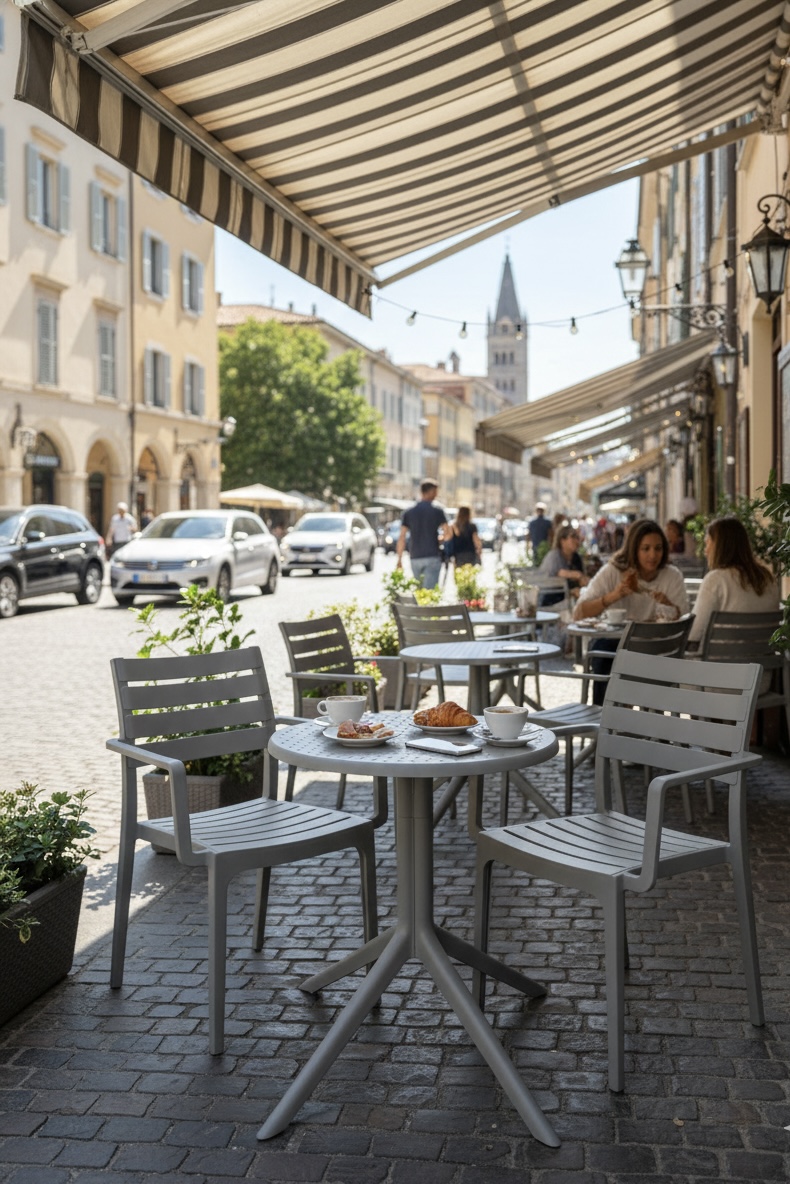
For distributors, the most expensive problem is not product failure itself.
It is customer dissatisfaction.
When furniture problems appear:
Handling complaints consumes:
Many experienced buyers say:
One bad product shipment can erase years of relationship building.
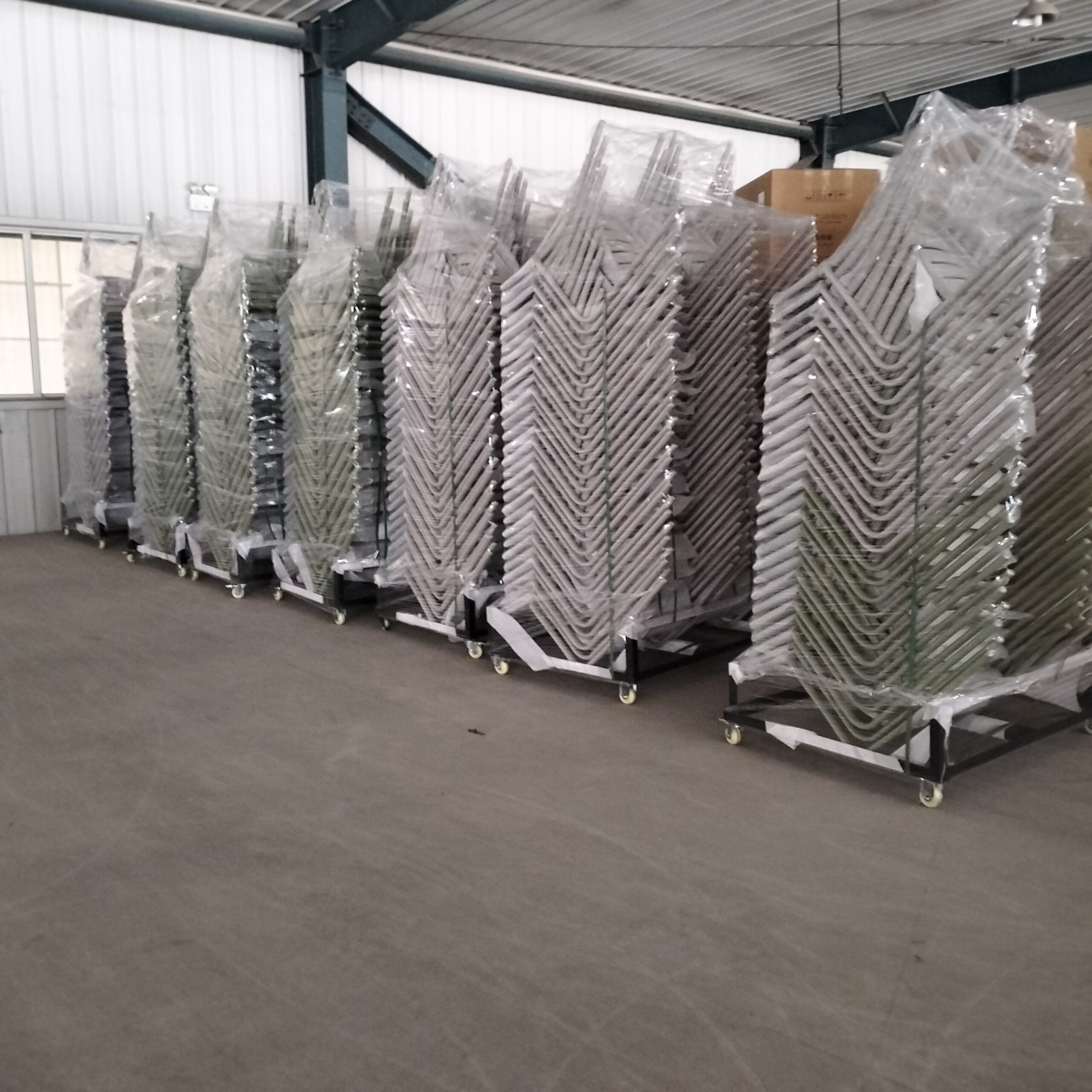
Lower-priced furniture frequently ignores packaging optimization and structural durability during transport.
Common issues include:
Even a small reduction in container efficiency can significantly affect profitability across large-volume imports.
Professional buyers increasingly evaluate suppliers based on logistics performance, not only unit price.
In commercial furniture distribution, reputation compounds over time.
Reliable products create:
Unreliable products create:
For distributors and importers, furniture quality directly represents their brand in the market.
Furniture failure becomes brand failure.
Across Europe, Australia, and North America, purchasing logic is changing.
Leading distributors are moving from:
| Traditional Buying | Modern Commercial Strategy |
|---|---|
| Lowest unit price | Lowest lifecycle cost |
| Short-term margin | Long-term stability |
| Product comparison | Supplier reliability |
| One-time deal | Long-term partnership |
Because sustainable profit comes from predictable performance.
Experienced commercial buyers now ask:
These questions rarely appear on quotation sheets — but they determine long-term success.
At MAKA Furniture, pricing is not designed to be the lowest.
It is designed to be predictable for long-term business operations.
Our focus includes:
✔ commercial-grade structural reliability
✔ consistent production quality
✔ optimized packaging efficiency
✔ reduced complaint risk for partners
✔ stable lifecycle performance
Because successful distributors do not compete only on price.
They compete on reliability.
Low-price commercial furniture often shifts hidden risk from the manufacturer to the buyer.
Professional sourcing is therefore not about buying cheaper products.
It is about reducing uncertainty.
When evaluating commercial furniture, the most important question is not:
“How much does it cost today?”
But rather:
“How much will this decision cost over the next five years?”
In commercial furniture sourcing:
Reliability protects margin.
Fill out the contact form with your ideas today and find the right furniture sets for your room applications.

MAKA offers high-performance and personalized furniture for any room and condition at affordable prices. Order now at an MOQ of 100.