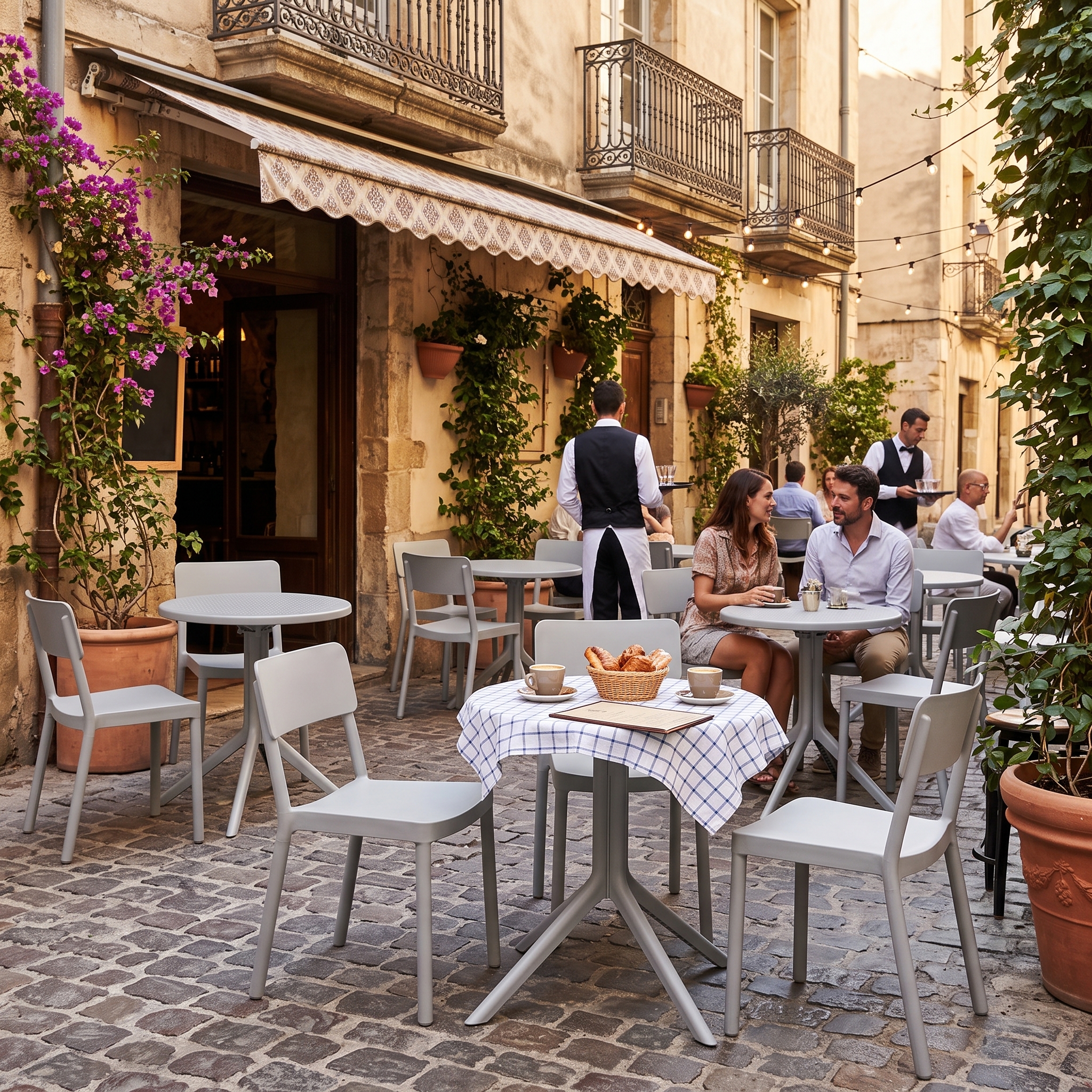
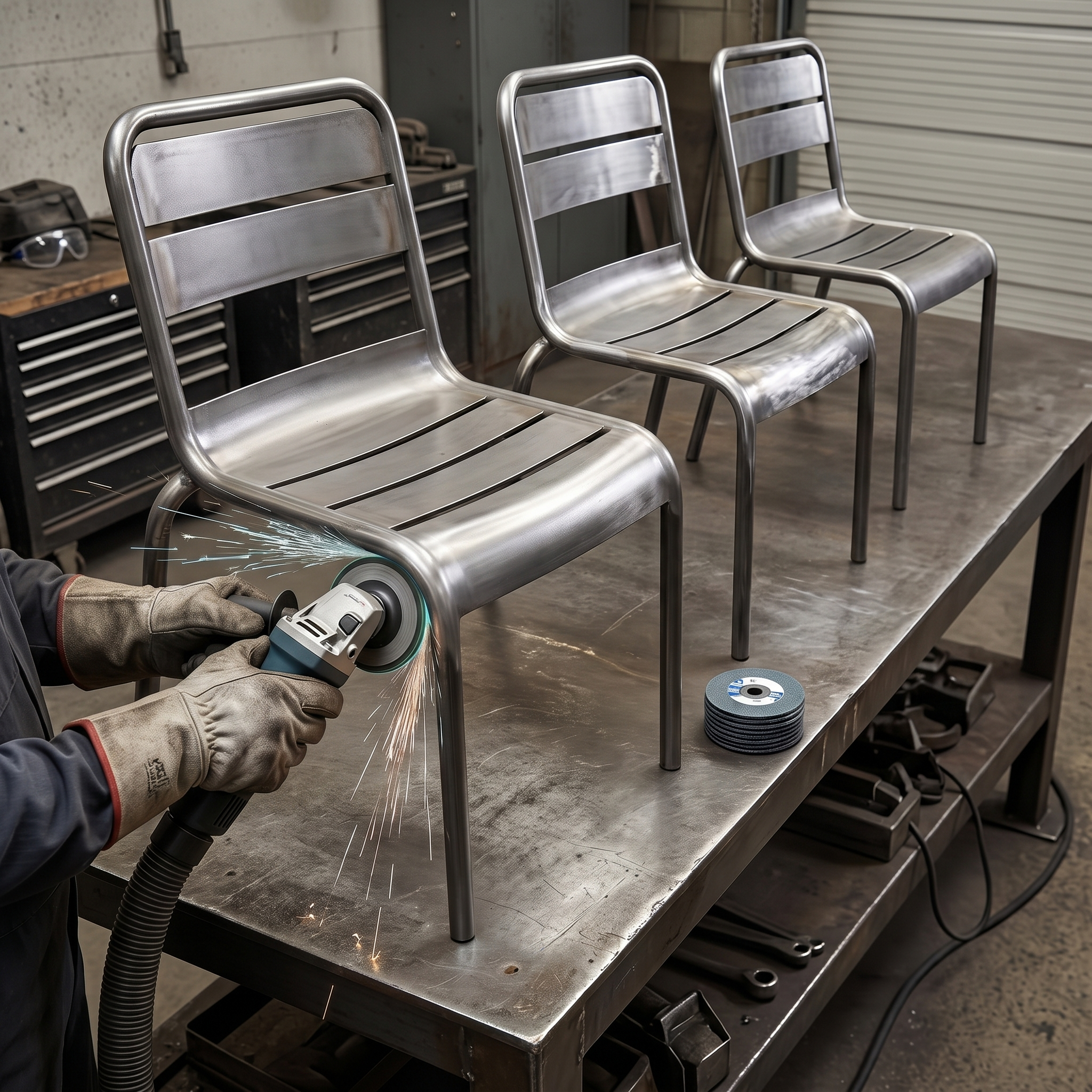
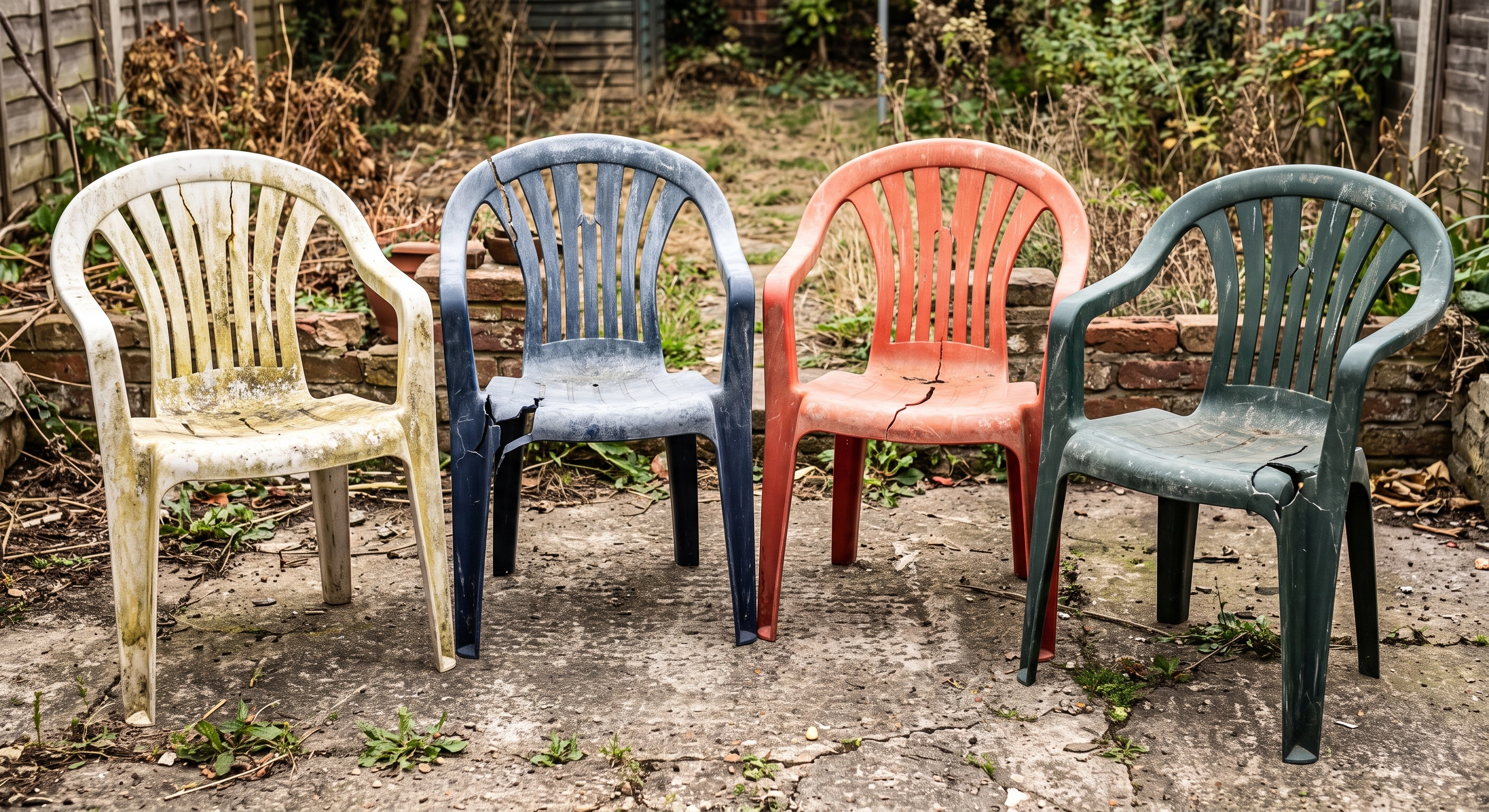
Plastic chairs that perform adequately in residential environments often fail prematurely when used in cafés, bars, restaurants, and public spaces. From an importer or operator’s perspective, this appears puzzling: the product looks intact at delivery, meets basic specifications, and initially functions well. Yet within months, issues such as instability, cracking, discoloration, or loss of comfort begin to appear.
The root cause is rarely a single defect. Instead, it is a systematic mismatch between how chairs are designed and how they are actually used in commercial environments.
In professional furniture procurement, the most important variable is not material type alone, but usage intensity. Public seating environments expose chairs to conditions that are fundamentally different from home use.
Key differences include:
Chairs not engineered for these conditions will experience accelerated fatigue, regardless of their appearance at the point of sale.
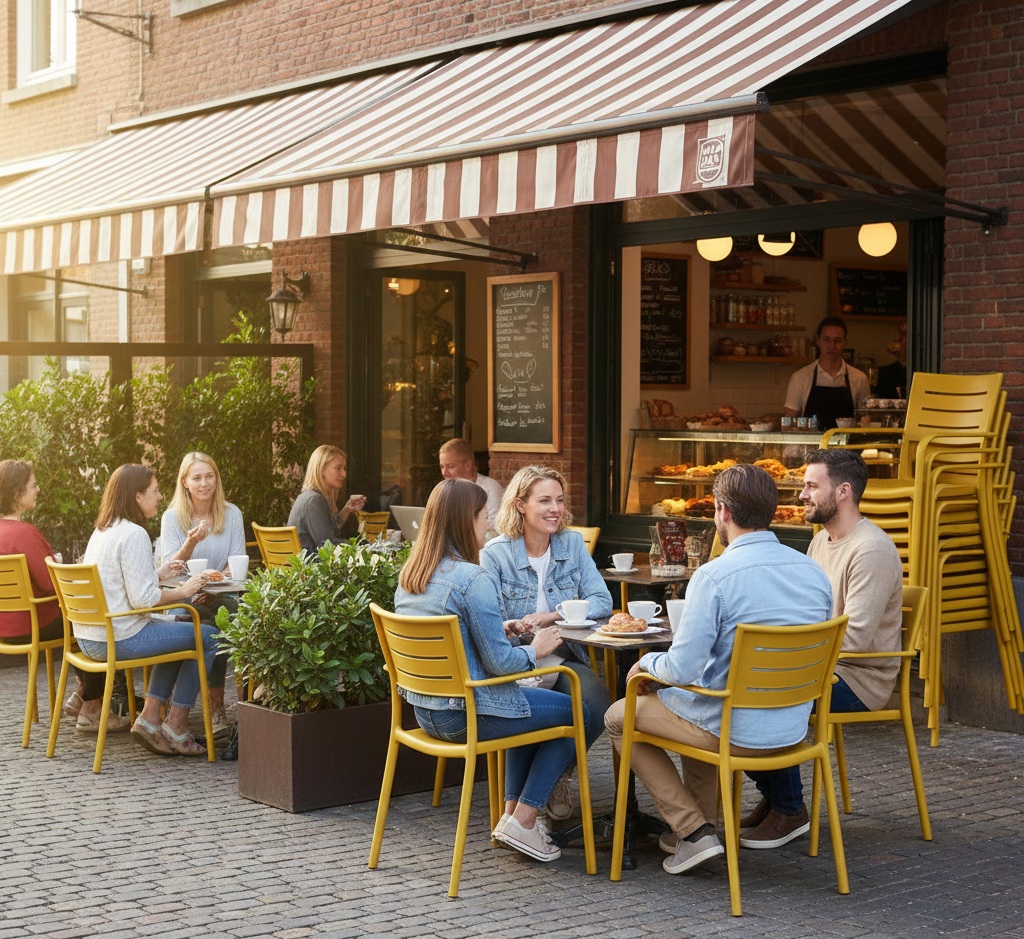
Many plastic chairs used in cafés and bars are originally designed for residential or light-duty use. While visually similar to commercial seating, their internal structure, wall thickness, and reinforcement strategy are optimized for occasional use.
In high-traffic environments, this leads to:
These failures emerge gradually, making them difficult to trace back to design decisions once complaints arise.
Unlike static load tests, real-world commercial use subjects chairs to thousands of micro-load cycles per week. Patrons shifting weight, leaning back, and uneven seating all contribute to fatigue over time.
Plastic materials that are not formulated or tested for repeated stress can lose elasticity, leading to cracking or permanent deformation. This type of failure often occurs without visible warning signs.
Cafés and bars frequently combine indoor and outdoor seating, or operate in semi-covered environments. Chairs may be exposed to sunlight, heat, humidity, and temperature fluctuations even when not fully outdoors.
Without validated UV resistance and weather stability, plastic materials age faster, becoming brittle or discolored. Accelerated aging significantly shortens service life compared to controlled residential conditions.
Commercial seating is cleaned far more aggressively than residential furniture. Daily wiping, pressure washing, and the use of detergents or disinfectants introduce chemical and mechanical stress.
Materials and surface finishes not designed for frequent cleaning can degrade, leading to surface roughness, loss of finish, and weakened structural areas.
Public spaces require chairs to be moved, stacked, and stored repeatedly. Improper stack geometry or insufficient structural reinforcement can cause deformation under vertical load, even before chairs are put into use.
Damage introduced during handling is often cumulative and only becomes apparent after weeks of operation.
Reducing premature failure requires addressing usage mismatch at the design stage. At MAKA Furniture, commercial seating is engineered based on real usage scenarios rather than appearance-driven benchmarks.
Key design principles include:
This approach shifts durability from a theoretical specification to a practical outcome.
In a multi-location café chain, replacing residential-grade plastic chairs with models designed for commercial use resulted in a measurable improvement in operational stability.
Within one year:
The key change was not aesthetics, but alignment between product design and usage intensity.
Based on aggregated commercial use data:
For importers and operators, matching product design to real usage conditions is one of the most effective ways to protect margins and brand reputation.
In cafés, bars, and public spaces, furniture is not a decorative element but an operational asset. Selecting chairs based on appearance alone shifts risk downstream, where failures are more expensive to address.
Suppliers that understand usage intensity and environmental stress provide more than products—they provide predictability.
Founded in 2013, MAKA Furniture manufactures lightweight, durable, and space-efficient commercial furniture for indoor and outdoor use. With EU patents, EN12520/EN581 certifications, GRS eco-certification, and BSCI approval, MAKA supports global importers, distributors, and project buyers with seating solutions designed for real commercial environments.
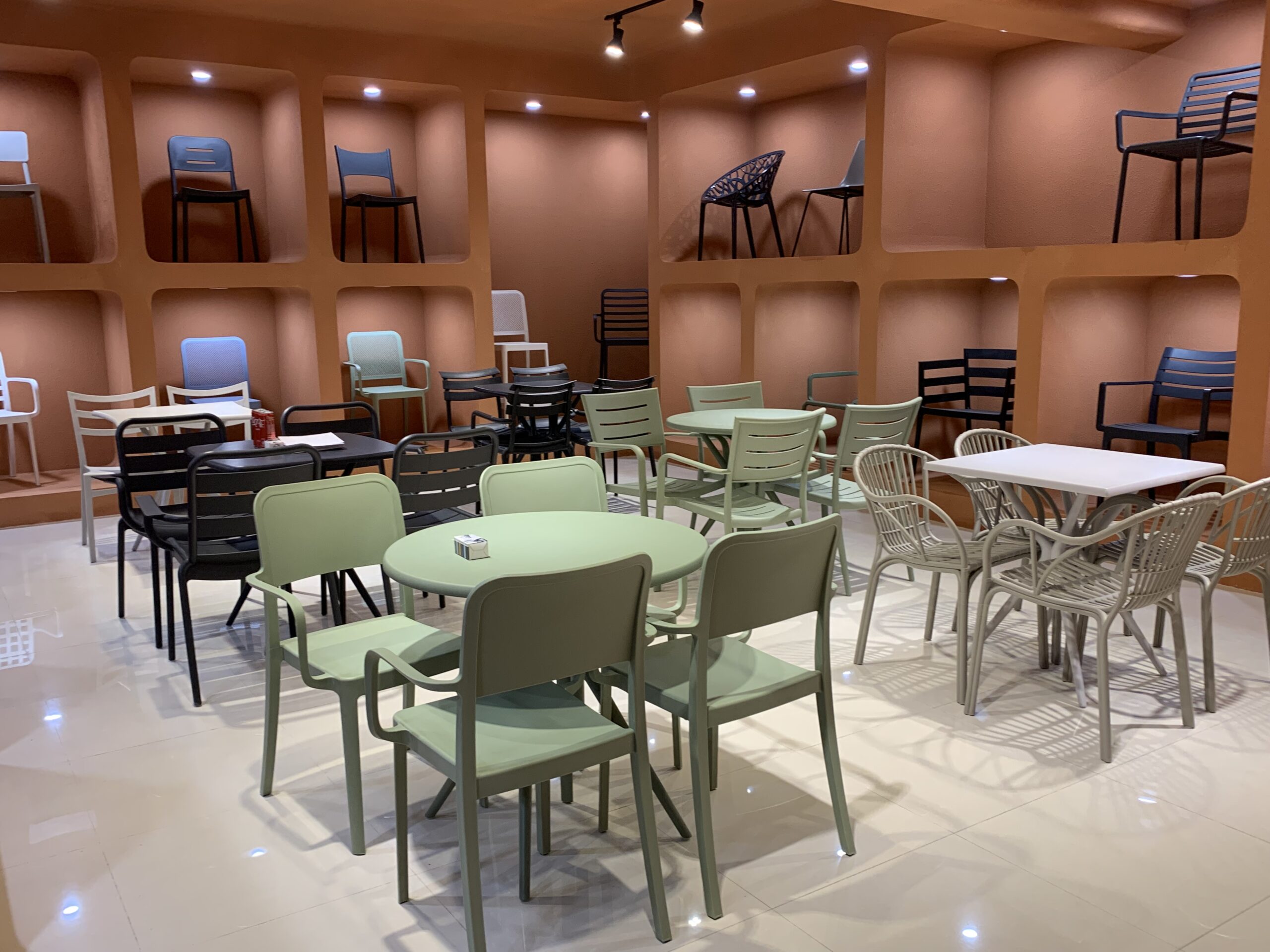
Fill out the contact form with your ideas today and find the right furniture sets for your room applications.

MAKA offers high-performance and personalized furniture for any room and condition at affordable prices. Order now at an MOQ of 100.