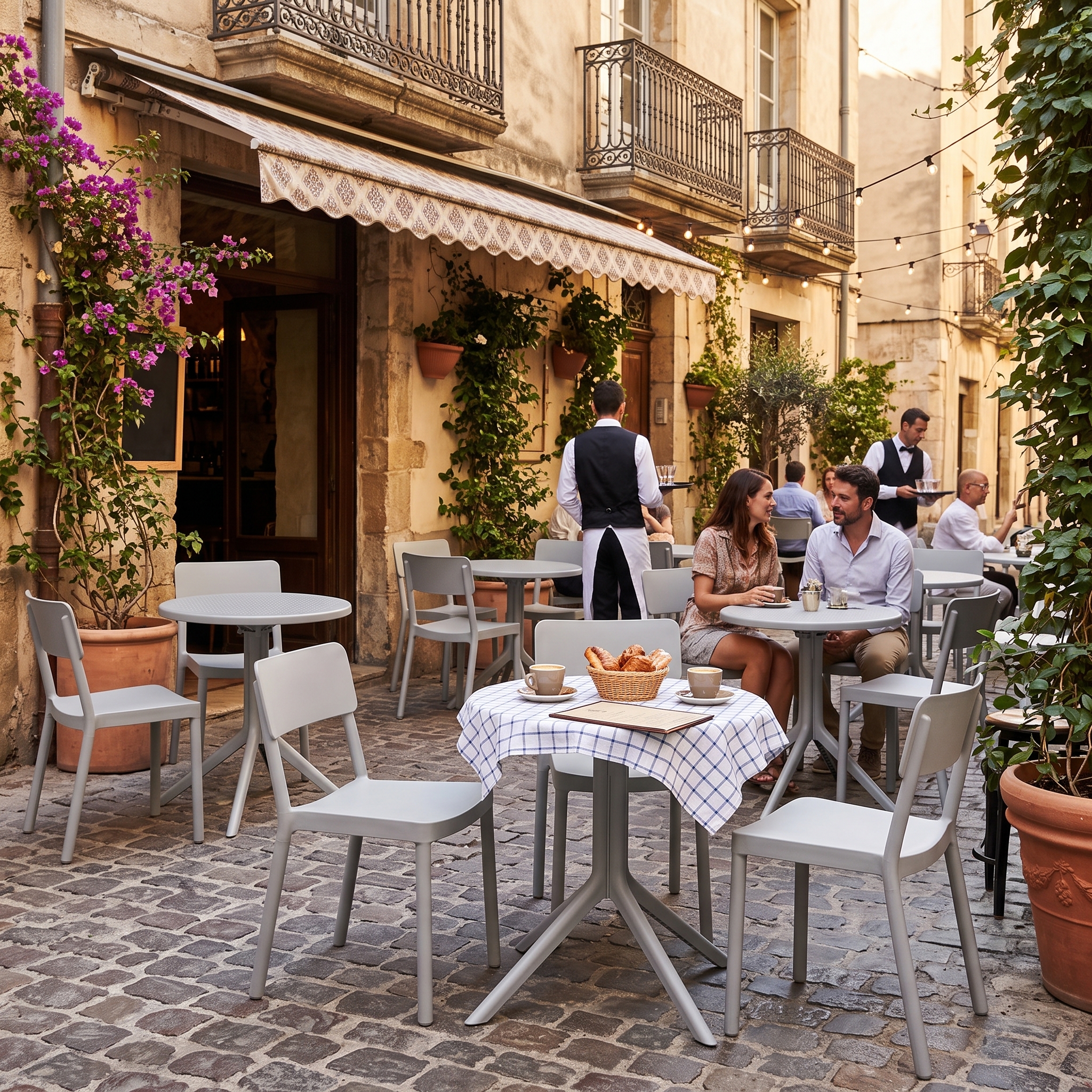
In many cafés, tables appear to be a simple part of daily operations.
They look good during quiet hours.
They fit the interior design.
They rarely draw attention.
However, during peak hours, tables often become one of the biggest operational bottlenecks in a café.
This problem is not about style — it is about how furniture performs under pressure.
Peak hours define how efficiently a café runs.
Morning rush, lunch service, and weekends all bring:
During these periods, furniture is tested by frequency of use, not appearance.
Across many cafés, the same issues appear repeatedly:
These challenges are not caused by poor management.
They are usually the result of furniture that was not designed for commercial café operations.
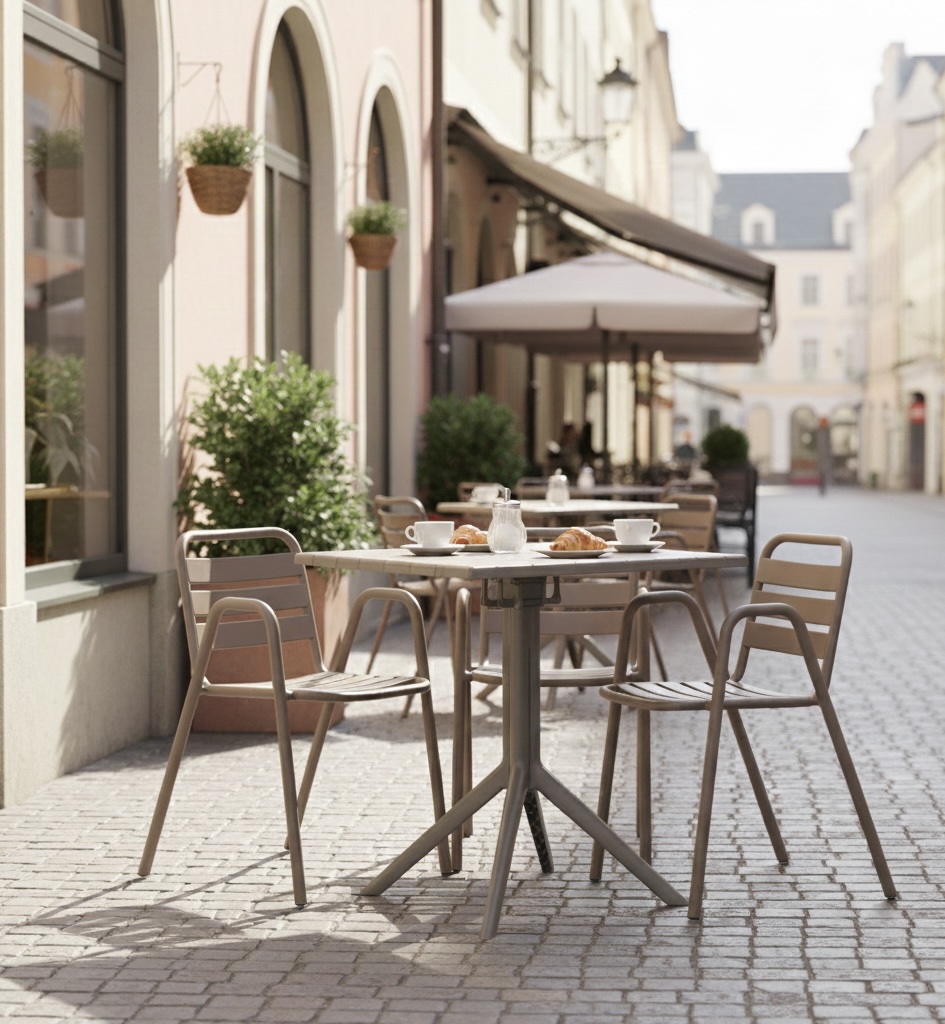
Traditional tables are typically designed for fixed layouts and light usage.
Modern cafés operate very differently:
When tables are heavy, inflexible, or unstable, they slow down operations — especially during peak hours.
Commercial folding tables are designed with function and durability in mind.
Instead of being permanent fixtures, they allow cafés to stay flexible without sacrificing stability.
Key advantages include:
For cafés operating in limited spaces, this flexibility directly improves workflow efficiency.
Commercial folding tables are especially effective for cafés that experience:
In these environments, furniture must support staff and operations — not create friction.
In a busy café, tables are more than décor.
They are tools that influence:
Furniture designed for commercial use helps reduce daily operational stress and minimizes the need for frequent replacement.
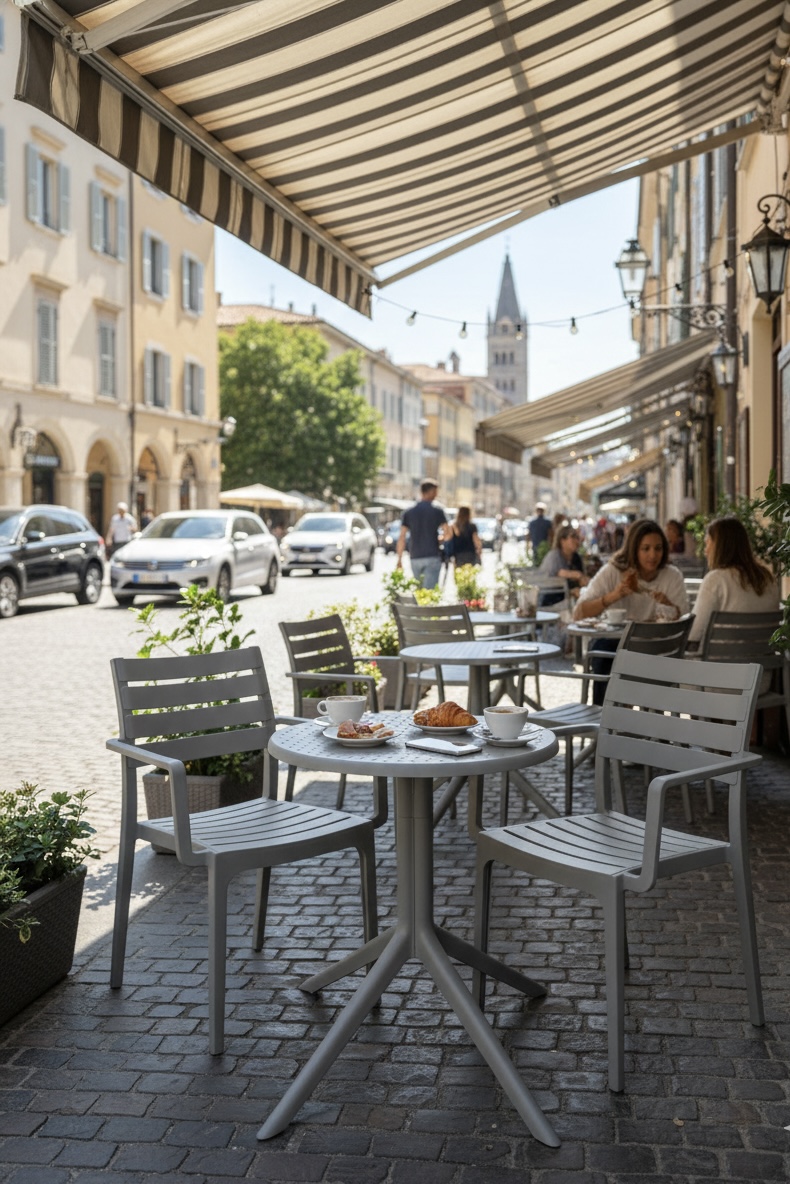
For cafés that experience real peak hours, furniture selection should reflect how the business actually operates.
Commercial folding tables offer a practical balance of stability, flexibility, and space efficiency.
In fast-paced café environments,
tables should adapt to operations — not the other way around.
Fill out the contact form with your ideas today and find the right furniture sets for your room applications.

MAKA offers high-performance and personalized furniture for any room and condition at affordable prices. Order now at an MOQ of 100.