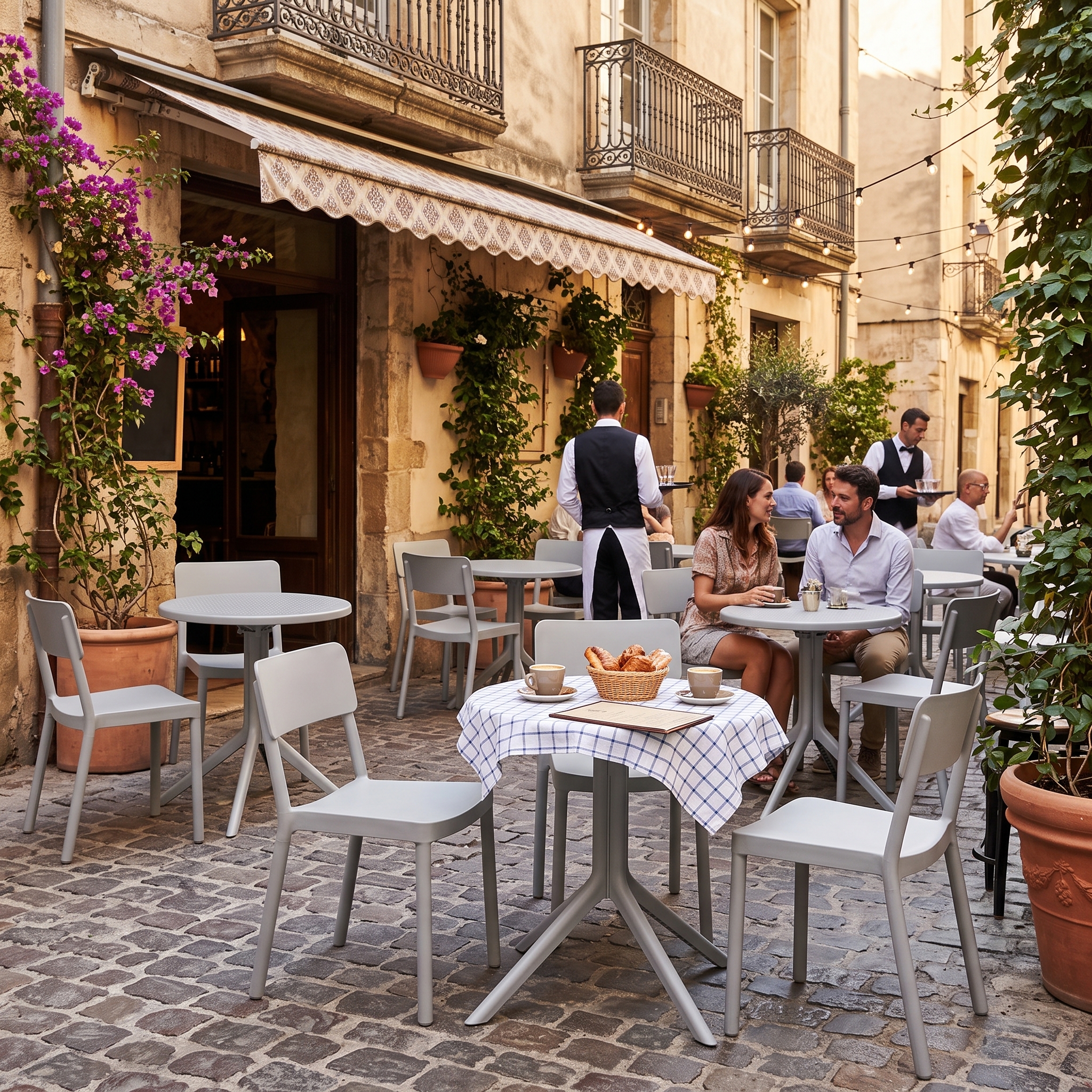
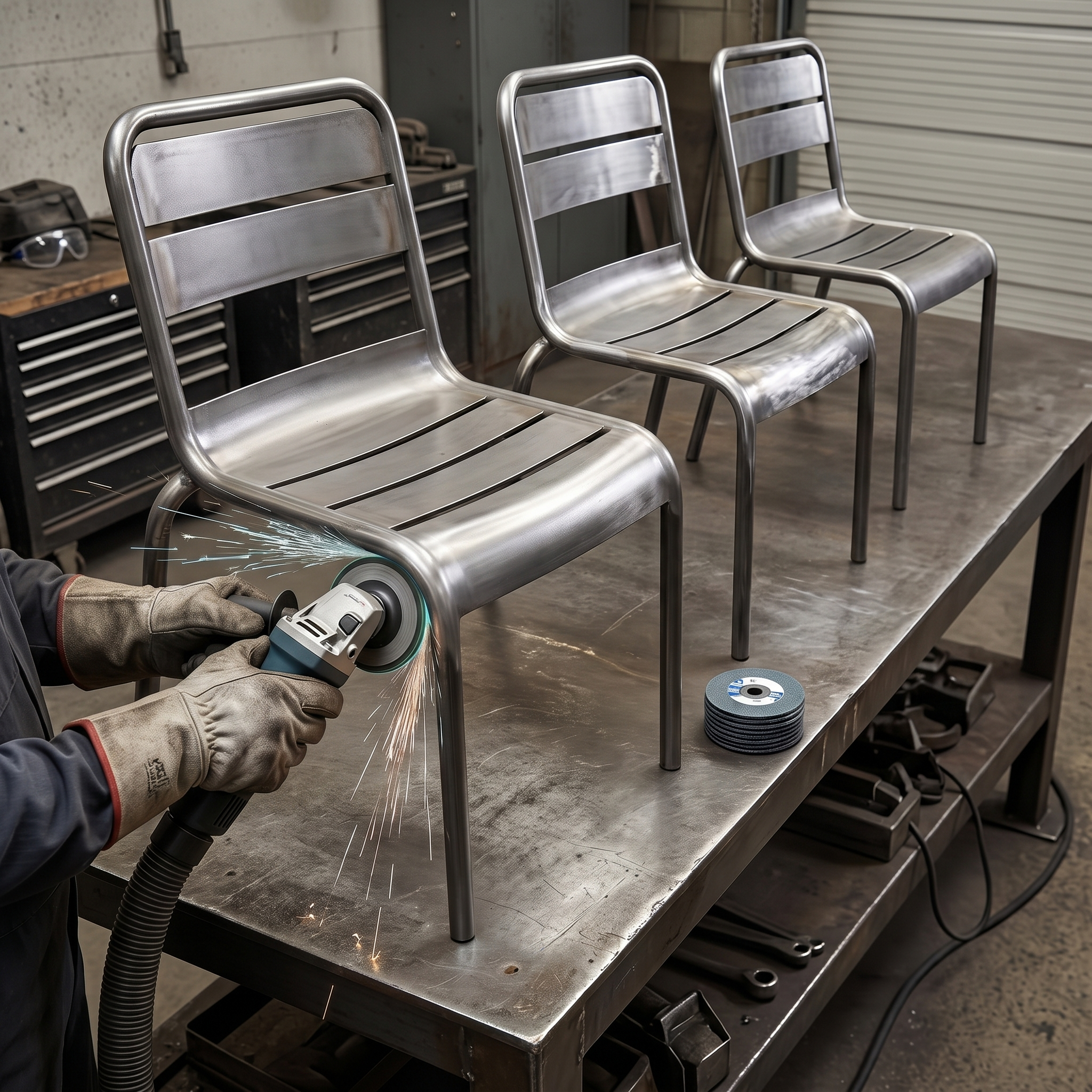
1. Introduction: Why Cafés Need More Flexible Furniture in 2025
Café operations have changed dramatically over the past few years.
Customer flow is no longer stable — it changes every hour:
- Morning: takeaway crowd
- Midday: laptop workers
- Afternoon: meetings
- Evening: social groups
- Weekends: large outdoor crowds
The problem?
👉 Most cafés still use fixed, heavy, inflexible tables that cannot adapt to real operations.
This creates multiple pain points:
- crowded entrances during peak hours
- slow table rearrangement
- long cleaning times
- inefficient use of outdoor seating
- faded/broken outdoor furniture
- inconsistent customer experience
To solve these challenges, many cafés — from Starbucks-style chains to boutique brands — are switching to commercial-grade folding tables.
This article explains why, and how folding tables directly solve the operational pain points of modern cafés.
⭐ 2. Pain Point 1: Limited Space = Limited Revenue
“Cafés need to make every square meter profitable.”
Most cafés operate in small spaces:
- 40–120 m² indoor
- 2–5 outdoor tables
- narrow aisles
- limited seating flexibility
But café customer flow changes constantly.
Fixed tables cannot adapt, and they often block space.
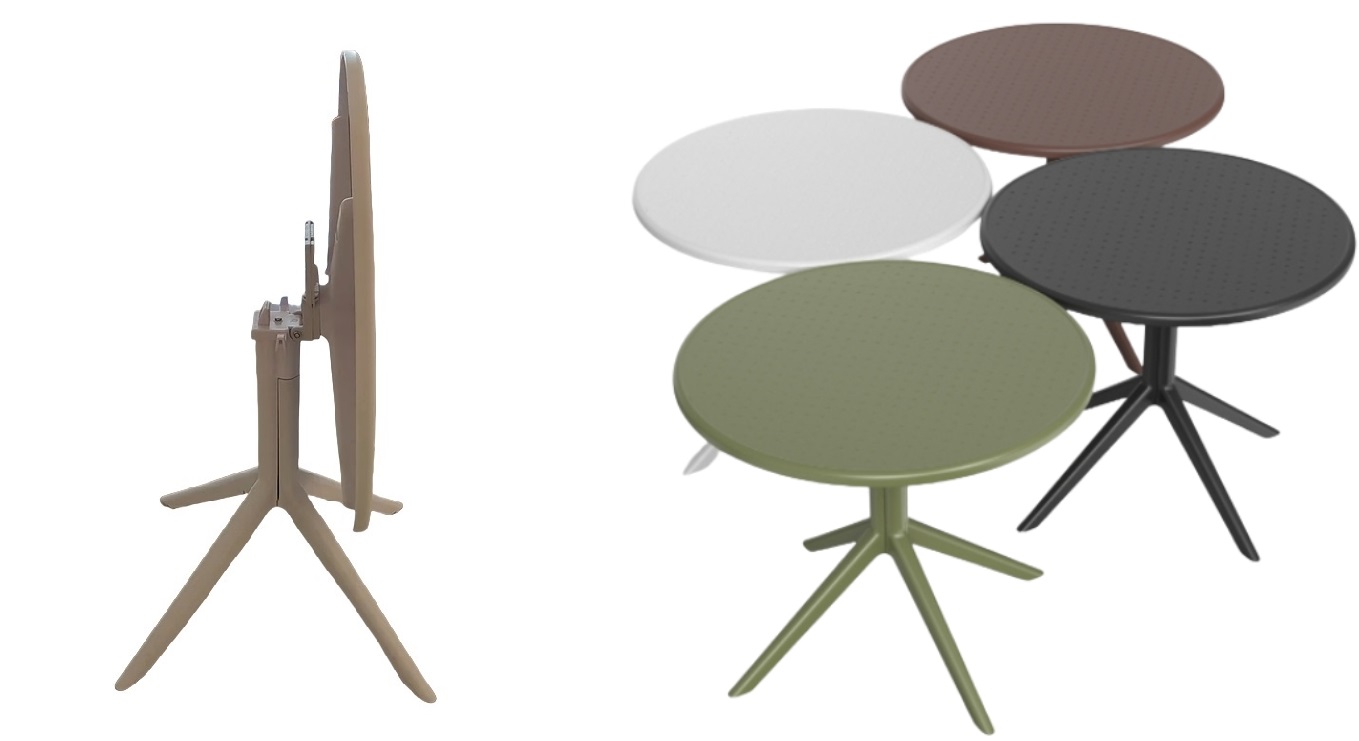
👉 Folding Tables Solve This
With a one-second folding system, baristas can:
- add tables during peak times
- remove tables when it’s quiet
- create more open space for laptop customers
- open walkways instantly
- free space near the bar/counter
Every square meter becomes flexible, not fixed.
Result:
✔ higher capacity at peak
✔ more comfort off-peak
✔ higher overall revenue
⭐ 3. Pain Point 2: Cleaning Takes Too Long
“Cafés clean their floors more than any other business.”
Coffee shops mop and sweep constantly:
- spills
- milk foam
- coffee grounds
- sugar
- melted ice
- pastry crumbs
With fixed, heavy tables:
- staff must move tables repeatedly
- cleaning takes longer
- closing time gets delayed
This becomes expensive, especially with rising labor costs.
👉 Folding Tables Solve This
Staff simply:
- fold the table
- clean the area
- unfold again
Cleaning becomes 3× faster.
This is why many cafés report:
- earlier closing time
- lower labor cost
- cleaner appearance
- easier daily maintenance
⭐ 4. Pain Point 3: Outdoor Furniture Fades, Turns Yellow, or Breaks
“Outdoor seating is profitable — but furniture maintenance is a nightmare.”
Outdoor café tables face:
- UV exposure
- rain
- humidity
- wind
- heat
- scratches from daily use
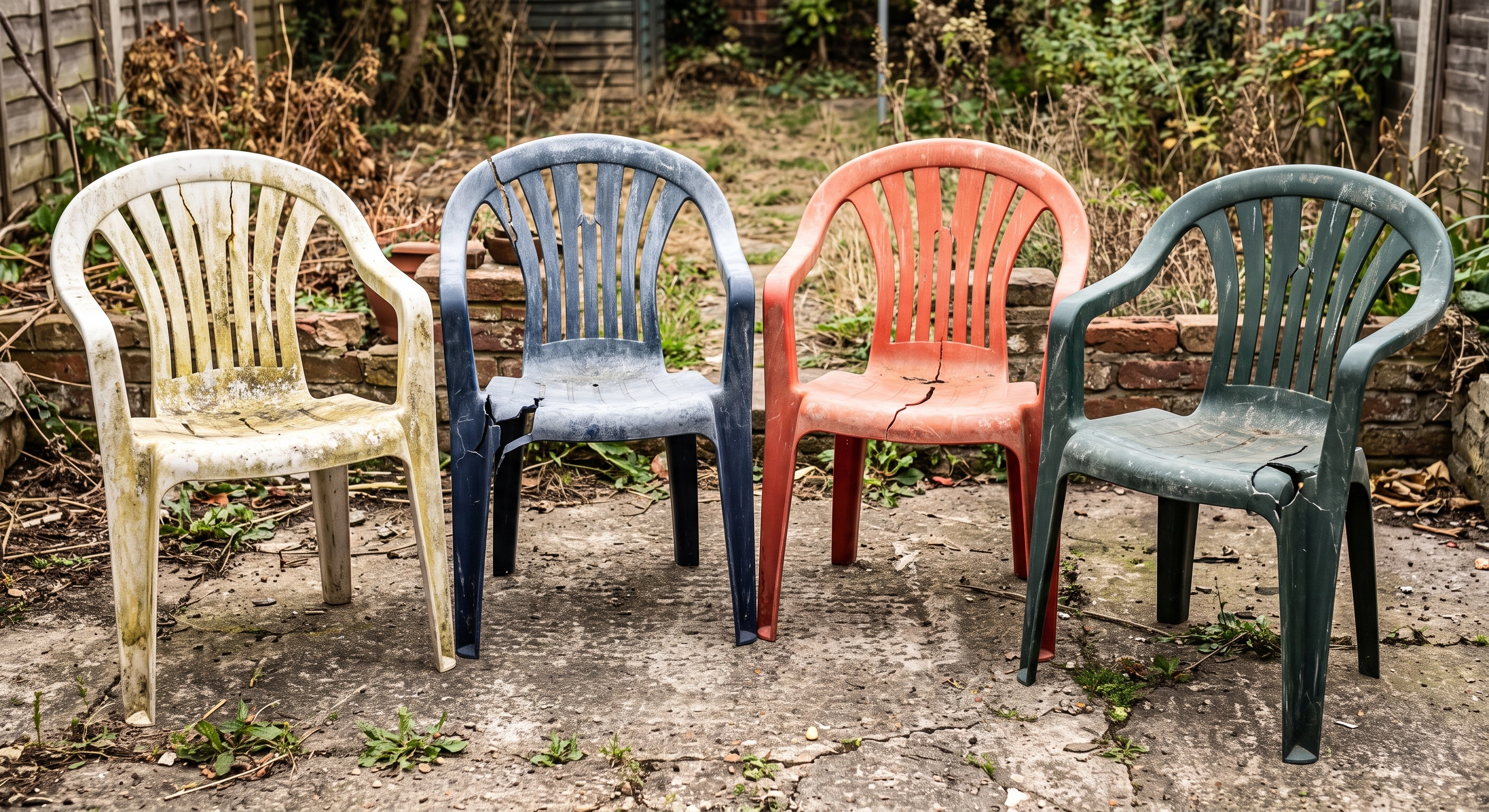
Cheap plastic furniture:
- fades after 3–6 months
- turns yellow
- becomes brittle
- cracks under weight
This looks unprofessional — and directly affects brand image.

👉 Folding Tables with UV1500h Solve This
Your folding tables:
- use PP + fiberglass
- include UV1500h stabilizers
- maintain color for 2–5 years
- resist cracking and yellowing
- stay stable even under strong sunlight
Cafés get durable outdoor furniture without constant replacement.
⭐ 5. Pain Point 4: Staff Cannot Rearrange Tables Easily
“Most café teams are 2–4 people — not enough manpower.”
Fixed wooden or metal tables are:
- heavy
- require two people to move
- difficult to rearrange during busy times
This causes slow layout changes, frustrated staff, and wasted time.
👉 Folding Tables Solve This
- lightweight: one person can move them
- stable: reinforced ribs prevent wobbling
- portable: easy indoor-outdoor transition
- foldable: instant reconfiguration
Even a single barista working a shift can adjust the layout without help.
⭐ 6. Pain Point 5: Customers Expect Modern, Stylish Interiors
“Café customers judge by atmosphere first.”
Modern cafés rely on design:
- minimalist interiors
- matte textures
- Instagram-worthy spaces
- clean lines
- consistent color palette
But many traditional folding tables look:
- cheap
- shiny
- industrial
- like “event tables”
👉 Your Folding Tables Solve This
Your tables use:
- matte anti-scratch surface
- modern rounded edges
- premium PP material (not HDPE)
- clean, non-reflective finish
- customizable colors
They look like high-end café furniture, not temporary equipment.
This improves:
- ambiance
- customer comfort
- Instagram photos
- brand consistency
⭐ 7. Real Operational Benefits for Cafés
When switching to commercial folding tables, cafés report:
✔ Faster table turnover
Customers leave → fold → clean → new customer sits
Cuts turnover time by 30–50%.
✔ Better customer flow
No more blocking aisles or doorways.
✔ Lower labor cost
Less furniture lifting → less staff fatigue.
✔ Higher seating flexibility
Easily adjust for groups or solo customers.
✔ Better outdoor performance
UV1500h prevents fading, cracking, or yellowing.
✔ More premium look
Matte texture fits modern café design.
✔ Longer product lifespan
PP + fiberglass lasts far longer than cheap plastic.

⭐ 8. Recommended Sizes for Cafés (Based on Real Use Cases)
60cm Round or Square
Best for:
- small spaces
- 1–2 people
- laptop customers
- narrow walkways
70cm Round or Square
Best for:
- 2–3 people
- general café use
- outdoor seating
80cm Round
Best for:
- brunch plates
- larger groups
- cafés with patio spaces
⭐ 9. Folding Tables Are the Future of Café Operations
Modern cafés need:
- speed
- flexibility
- stability
- durability
- brand aesthetics
Traditional tables can’t keep up.
Commercial folding tables provide:
- better customer experience
- smoother operations
- faster cleaning
- lower staff workload
- higher revenue potential
That’s why cafés worldwide — from chain brands to boutique shops — are making the switch.
Folding tables are no longer “portable furniture.”
They are operational tools and business assets.
Wonderful! Share this Case: